Our recent work on the inhibition of eye movements by auditory distraction has just been accepted for publication in Psychophysiology.
Read more
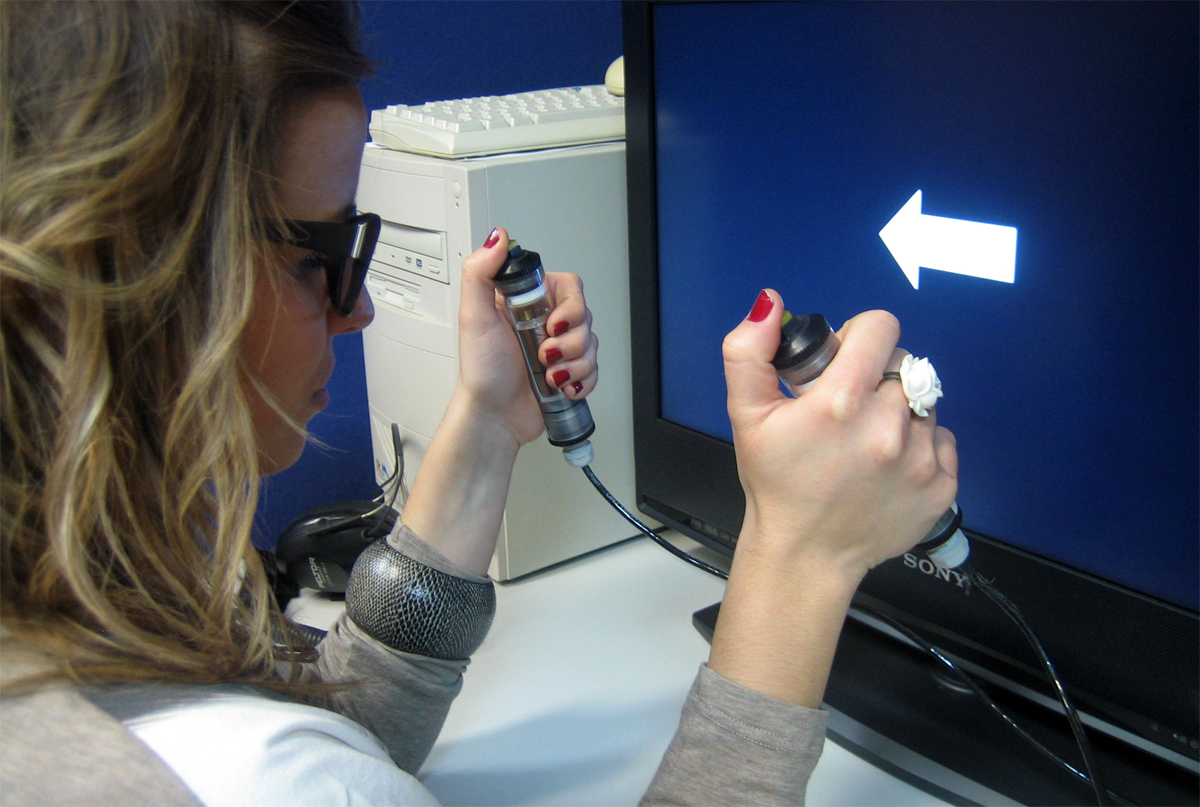
Abstract: Unexpected sounds have been shown to trigger a global and transient inhibition of motor responses. Recent evidence suggests that the movement of the eyes may also be inhibited in a similar way, but it is not clear how quickly unexpected sounds can affect eye-movement responses. Additionally, little is known about whether they affect only voluntary saccades or also reflexive saccades. In this study, participants performed a pro-saccade and an anti-saccade task while the timing of sounds relative to stimulus onset was manipulated. Pro-saccades are generally reflexive and stimulus-driven, whereas anti-saccades require the generation of a voluntary saccade in the opposite direction of a peripheral stimulus. Unexpected novel sounds inhibited the execution of both pro- and anti-saccades compared to standard sounds, but the inhibition was stronger for anti-saccades. The timeline of the novelty distraction effect was relatively stable– it was observed from 150 ms before target onset to 25ms after target onset. Interestingly, unexpected sounds also reduced anti-saccade task errors, indicating that they aided inhibitory control. Overall, these results suggest that unexpected sounds yield a global and rapid inhibition of eye-movement responses. This inhibition also helps suppress reflexive eye-movement responses in favour of more voluntarily-generated ones.
This study is part of the ongoing collaboration between Fabrice Parmentier, Martin Vasilev (UCL, UK) and Julie Kirkby (University of Bournemouth, UK) and is supported by Project PID2020-114117GB-I00 funded by MICIU/AEI /10.13039/501100011033.
Powered by Squarespace
Reference: Vasilev, M. R., Ozkan, Z. G., Kirkby, J. A., Nuthmann, A., & Parmentier, F. B. R. (in press). Unexpected sounds induce a rapid inhibition of eye-movement responses. Psychophysiology.
Unexpected sounds hinder response repetition and help response change
The first results fron Elena García-López’s PhD research have just been published. The study investigated the modulation of motor responses by auditory distractors.
Read more
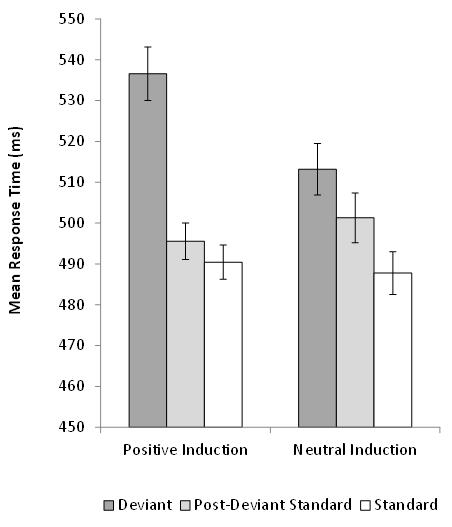
Abstract: Numerous studies using oddball tasks have shown that unexpected sounds presented in a predictable or repeated sequence (deviant vs standard sounds) capture attention and negatively impact ongoing behavioral performance. Here, we examine an aspect of this effect that has gone relatively unnoticed: the impact of deviant sounds is stronger for response repetitions than for response switches. Our approach was two-fold. First, we carried out a simulation to estimate the likelihood that stimuli sequences used in past work may not have used balanced proportions of response repetition and switch trials. More specifically, we sought to determine whether the larger distraction effect for response repetitions may have reflected a rarer, and thereby more surprising, occurrence of such trials. To do so, we simulated 10,000 stimuli sets for a 2-AFC task with a proportion of deviant trial of .1 or .16. Second, we carried out a 2-AFC oddball task in which participants judged the duration of a tone (short vs long). We carefully controlled the sequence of stimuli to ensure to balance the proportions of response repetitions and response switches across the standard and deviant conditions. The results of the stimuli simulation showed that, contrary to our concerns, response switches were more likely than response repetitions when left uncontrolled for. This suggests that the larger distraction found for response repetition in past work may in fact have been underestimated. In the tone duration judgment task, the results showed a large impact of the response type on distraction as measured by response times: Deviants sounds significantly delayed response repetitions but notably accelerated switches. These findings suggest that deviant sound hinder response repetition and encourage or bias the cognitive system towards a change of responses. We discuss these findings in relation to the adaptive nature of the involuntary detection of unexpected stimuli and in relation to the notion of partial repetition costs. We argue that results are in line with the binding account as well as with the signaling theory.
Powered by Squarespace
Reference: García-López, E., & Parmentier, F. B. R. (2024). Distraction by unexpected sounds: comparing response repetition and response switching. Frontiers in Psychology, 15:1451008. doi: 10.3389/fpsyg.2024.1451008
Looking for biomarkers of dementia and cognitive decline in patients with type 2 diabetes. Is the answer in the liver?
A multidisciplinary effort by Pilar Andrés and colleagues from various centers in Palma and in Madrid publishes evidence that liver fibrosis might be a valid biomarker of dementia and cognitive decline.
Read more
Abstract: The effect of liver fibrosis on mild cognitive impairment (MCI) and dementia risk in type 2 diabetes mellitus (T2DM) patients is unclear. Therefore, we performed a prospective cross-sectional study on 219 patients with T2DM and older than 60 years to evaluate the association between liver fibrosis, liver steatosis, and cognitive impairment. The Montreal Cognitive Assessment (MoCA) was used to screen for MCI or dementia. Liver fibrosis was estimated using the non-invasive Fibrosis-4 (FIB-4) score, and liver steatosis was assessed with the hepatic steatosis index. The mean age was 71 ± 6 years, 47% were women and according to MoCA cut-off values, 53.88% had MCI and 16.43% had dementia. A moderate or high risk of advanced fibrosis was significantly higher in patients with MCI or dementia compared to those with normal cognition (p < 0.001). After adjusting for confounders, a FIB-4 score greater than 1.54 was associated with MCI or dementia (p = 0.039). Multivariate analysis identified age over 70.5 years, antiplatelet medication use, and a FIB-4 score above 1.54 as the most relevant risk factors. Liver fibrosis, but not liver steatosis, is associated with MCI or dementia in older T2DM patients, suggesting that FIB-4 score might be a simple biomarker for the detection of cognitive impairment.
Powered by Squarespace
Reference: Pujol, A., Sanchis, P., Tamayo, M. I., Godoy, S., Calvó, P., Olmos, A., Andrés, P., Speranskaya, A., Espino, A., Estremera, A., Rigo, E., Amengual, G. J., Rodríguez, M., Ribes, J. L., Gomila, I., Grases, F., González-Freire, M., & Masmiquel, L. (2024). Metabolic-Associated Fatty Liver Disease and Cognitive Performance in Type 2 Diabetes: Basal Data from the Phytate, Neurodegeneration and Diabetes (PHYND) Study. Biomedicines, 12(9), 1993. https://doi.org/10.3390/BIOMEDICINES12091993
Perturbation of the force
Our latest research on the impact of auditory distractors on motor activity is out!
Read more
Abstract: Unpredictable deviations from an otherwise regular auditory sequence, as well as rare sounds following a period of silence, are detected automatically. Recent evidence suggests that the latter also elicit quick involuntary modulations of ongoing motor activity emerging as early as 100 ms following sound onset, which was attributed to supramodal processing. We explored such force modulations for both rare and deviant sounds. Participants (N=29) pinched a force sensitive device and maintained a force of 1-2 N for periods of 1 min. Task-irrelevant tones were presented under two conditions. In the Rare condition, 4000 Hz tones were presented every 8-to-16 s. In the Roving condition, 4000 Hz and 2996 Hz tones were presented at rate of 1 sec, with infrequent (p=1/12) frequency changes. In the Rare condition, transient force modulations were observed with a significant increase at ~234 ms, and a decrease at ~350 ms. In the Roving condition with low frequency deviant tones, an increase in force was observed at ~277 ms followed by a decrease at ~413 ms. No significant modulations were observed during perception of high frequency deviants. These results suggest that both rare silence-breaking sounds and low-pitched deviants evoke automatic fluctuations of motor responses, which opens up the possibility that these force modulations are triggered by stimulus-specific change-detection processes.
Powered by Squarespace
Reference: Sabu, S., Parmentier, F. B. R., & Horváth, J. (2024). Involuntary motor responses are elicited both by rare sounds and rare pitch changes. Scientific Reports 2024 14:1, 14(1), 1–12. https://doi.org/10.1038/s41598-024-70776-x
Unexpected sounds inhibit eye movements
A new study carried out in collaboration with our partners at the Unievrsity of Bournemouth (UK) shows that the presentation of unexpected sounds disrupt eye movements through their transient inhibition. This work is part of Fabrice Parmentier’s current nationally-funded project and follows up on the solid collaboration established with Prof. Julie Kirkby and Dr. Martin Vasilev.
Read more
Abstract: Novel sounds that unexpectedly deviate from a repetitive sound sequence are well known to cause distraction. Such unexpected sounds have also been shown to cause global motor inhibition, suggesting that they trigger a neurophysiological response aimed at stopping ongoing actions. Recently, evidence from eye movements has suggested that unexpected sounds also temporarily pause the movements of the eyes during reading, though it is unclear if this effect is due to inhibition of oculomotor planning or inhibition of language processes. Here, we sought to distinguish between these two possibilities by comparing a natural reading task to a letter scanning task that involves similar oculomotor demands to reading, but no higher level lexical processing. Participants either read sentences for comprehension or scanned letter strings of these sentences for the letter ‘o’ in three auditory conditions: silence, standard, and novel sounds. The results showed that novel sounds were equally distracting in both tasks, suggesting that they generally inhibit ongoing oculomotor processes independent of lexical processing. These results suggest that novel sounds may have a global suppressive effect on eye-movement control
Powered by Squarespace
Reference: Vasilev, M. R., Lowmann, M., Bills, K., Parmentier, F. B. R., & Kirkby, J. A. (2023). Unexpected sounds inhibit the movement of the eyes during reading and letter scanning. Psychophysiology, 023;00:e14389. doi: 10.1111/psyp.14389.
Antònia Siquier Perelló gana la fase local del concurso #HiloTesis2023
Antonia’s Twitter thread explaining her doctoral thesis will represent the University of the Balearic Islands in the national competition.
Read more
Congratulations Anònia!
PhD student Antònia Siquier Perelló, supervised by Prof. Pilar Andrés, is the winner of the local phase of the #HiloTesis2023 competition, a competition in which participants must disseminate their doctoral thesis in a thread of, at most, 20 tweets, taking into account the limitations and possibilities offered by the social network Twitter.
The series of messages about her doctoral thesis has focused on a new approach to understanding Parkinson's disease through an innovative statistical method called the Item Specific Deficit Approach. This method quantifies the cognitive deficits of patients in an episodic memory test and analyzes their sensitivity.
Antònia Siquier Perelló's doctoral thesis is part of the research activity of our research group (Neurocog) and could be clinically relevant. The study implies that there is also neurodegeneration in the hippocampal structures of patients with Parkinson's disease. This method could also contribute to learning more about the cognitive relationship between neurodegenerative diseases such as Alzheimer's and Parkinson's.
Antonia’s doctoral publication so far:
Siquier, A., & Andrés, P. (in press). Facial emotion recognition in Parkinson’s disease: the role of executive and affective domains. Neuropsychology.
Siquier, A., & Andrés, P. (2022). Face name matching and memory complaints in Parkinson’s disease. Frontiers in Psychology, 13:1051488. doi: 0.3389/fpsyg.2022.1051488
Siquier, A., & Andrés, P. (2021). Episodic memory impairment in Parkinson’s disease: Disentangling the role of encoding and retrieval. Journal of the International Neuropsychological Society, 27(3), 261-269. doi: 10.1017/S1355617720000909
Siquier A, Andrés P. (2021, Jan 15). Cognitive and Behavioral Inhibition Deficits in Parkinson's Disease: The Hayling Test as a Reliable Marker. Frontiers in Aging Neuroscence. doi: 10.3389/fnagi.2020.621603. PMID: 33519424; PMCID: PMC7843521.
Powered by Squarespace
Fabrice Parmentier presenter at the Open Sesame workshop at the University of Utrecht (The Netherlands)
Fabrice Parmentier has been invited to present part of the upcoming workshop organized by the University Utrecht. the workshop, entitled “An introduction to experiment building with OpenSesame” will introduce research students to the use of Open Sesame and its OSWeb component to run psychology and socal science experiments in the lab and online. the workshop will take place on May 24-26.
Read more
Powered by Squarespace
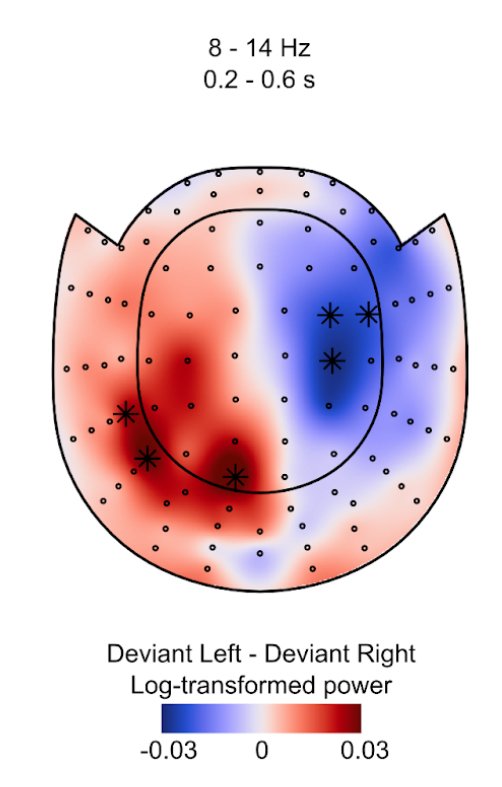
Ipsilateral alpha waves suggest role for spatial shift in cross-modal deviance distraction.
Our latest study, in press in Psychophysiology, was led by Annekathrin Weise (Paris Lodron University of Salzburg, Austria, and Ludwig-Maximilians-University Munich, Germany) and reports magnetoencephalographic and behaviral data indicating that the distraction yielded by unexpected sounds involves a shift of spatial attention.
Read more
Abstract: Imagine you are focusing on the traffic on a busy street to ride a bike safely when suddenly you hear the siren of an ambulance. This unexpected sound involuntarily captures your attention and interferes with ongoing performance. We test whether this type of behavioral distraction involves a spatial shift of attention. We measured behavioral distraction and magnetoencephalographic alpha power during a crossmodal paradigm that combined an exogenous cueing task and a distraction task. On each trial, a task-irrelevant sound preceded a visual target (left or right). The sound was usually the same animal sound (i.e., standard sound). Rarely, it was replaced by an unexpected environmental sound (i.e., deviant sound). Fifty percent of the deviants occurred on the same side as the target, and 50% occurred on the opposite side. Participants responded to the location of the target. As expected, responses were slower to targets that followed a deviant compared to a standard, reflecting behavioral distraction. Crucially, this distraction was mitigated by the spatial relationship between the targets and the deviants: responses were faster when targets followed deviants on the same versus different side, indexing a spatial shift of attention. This was further corroborated by a posterior alpha power modulation that was higher in the hemisphere ipsilateral (vs. contralateral) to the location of the attention-capturing deviant. We suggest that this alpha power lateralization reflects a spatial attention bias. Overall, our data support the contention that spatial shifts of attention contribute to behavioral deviant distraction.
Powered by Squarespace
Reference: Weise, A., Hartmann, T., Parmentier, F. B. R., Weisz, N., & Ruhnau, P. (2023). Involuntary shifts of spatial attention contribute to behavioral crossmodal distraction: Evidence from oscillatory alpha power and reaction time data. Psychophysiology, 00:e14353. http://doi.org/10.1111/psyp.14353
Deviance distraction and environmental context
Our new study, published in Nature Scientific Reports, provides the first demonstration of the modulation of deviance distraction by the environmental context. This study was conducted together with our collaborators at the University of Vic (Spain), the University of Bologna (Italy) and at the University of Western Australia.
Read more
Abstract: Evidence shows that participants performing a continuous visual categorization task respond slower following the presentation of a task-irrelevant sound deviating from an otherwise repetitive or predictable auditory context (deviant sound among standard sounds). Here, for the first time, we explored the role of the environmental context (instrumentalized as a task-irrelevant background picture) in this effect. In two experiments, participants categorized left/right arrows while ignoring irrelevant sounds and background pictures of forest and city scenes. While equiprobable across the task, sounds A and B were presented with probabilities of .882 and .118 in the forest context, respectively, and with the reversed probabilities in the city context. Hence, neither sound constituted a deviant sound at task-level, but each did within a specific context. In Experiment 1, where each environmental context (forest and city scene) consisted of a single picture each, participants were significantly slower in the visual task following the presentation of the sound that was unexpected within the current context (context-dependent distraction). Further analysis showed that the cognitive system reset its sensory predictions even for the first trial of a change in environmental context. In Experiment 2, the two contexts (forest and city) were implemented using sets of 19 pictures each, with the background picture changing on every trial. Here too, context-dependent deviance distraction was observed. However, participants took a trial to fully reset their sensory predictions upon a change in context. We conclude that irrelevant sounds are incidentally processed in association with the environmental context (even though these stimuli belong to different sensory modalities) and that sensory predictions are context-dependent.
Powered by Squarespace
Reference: Parmentier, F. B. R., Gallego, L., Micucci, A., Leiva, A., Andrés, P., & Maybery, M. T. (2022). Distraction by deviant sounds is modulated by the environmental context. Nature Scientific Reports, 12, 21447. https://doi.org/10.1038/s41598-022-25500-y
Mental and auditory load increase safety risks in the cockpit
A new study carried out in collaboration with by scientists at France’s Institute of Aeronautics and Space (ISAE-SUPAERO) and the University of Toulouse, shows that pilots are at significant risk of missing system alerts when undergoing high mental load and high auditory load. The study used a simulated cockpit task and registered behavioral and electrophysiological responses to variations in mental and perceptual loads. The combined effects of these two factors increased the proportion of missed alerts to an alarming 68%.
Read more
Highlights:
Efficient perception of auditory alarms is essential in safety-critical contexts.
Miss rate drastically increased with high mental and auditory loads.
P3b amplitude indexed mental and auditory loads variations.
P3b amplitude was anti-correlated with individual alarm miss rate.
Auditory alarm efficiency could be assessed with P3b measures.
Abstract: The ability to react to unexpected auditory stimuli is critical in complex settings such as aircraft cockpits or air traffic control towers, characterized by high mental load and highly complex auditory environments (i.e., many different auditory alerts). Evidence shows that both factors can negatively impact auditory attention and prevent appropriate reactions. In the present study, 60 participants performed a simulated aviation task varying in terms of mental load (no, low, high) concurrently to a tone detection paradigm in which the complexity of the auditory environment (i.e., auditory load) was manipulated (1, 2 or 3 different tones). We measured both detection performance (miss, false alarm, d’) and brain activity (event-related potentials) associated with the target tone. Our results showed that both mental and auditory loads affected target tone detection performance. Importantly, their combined effects had a large impact on the percentage of missed target tones. While, in the no mental load condition, miss rate was very low with 1 (0.53%) and 2 tones (1.11%), it increased drastically with 3 tones (24.44%), and this effect was accentuated as mental load increased, yielding to the higher miss rate in the 3-tone paradigm under high mental load conditions (68.64%). Increased mental and auditory loads and miss rates were associated with disrupted brain responses to the target tone, as shown by a reduced P3b amplitude. In sum, our results highlight the importance of balancing mental and auditory loads to maintain efficient reactions to alarms in complex working environment.
Powered by Squarespace
Reference: Causse, M., Parmentier, F. B. R., Mouratile, D., Thibaut, D., Kisselenko, M., & Fabre, E. (in press). Busy and confused? High risk of missed alerts in the cockpit: an electrophysiological study. Brain Research. https://doi.org/10.1016/j.brainres.2022.148035
New study on Parkinson's disease accepted for publication in Neuropsychology
Congratulations to Antonia and Pilar for their latest publication on facial emotional recognition in patients with Parkinson’s disease. the study will be published in Neuropsychology.
Read more
The study compared patients with Parkinson’s Disease (PD) and control participants in a task measuring the ability to recognize emotions from facial expressions. The results suggests that patients with PD present with a relative deficit in the recognition of emotions from facial expressions and that this deficit is related to an alteration of inhibitory functions.
Abstract: Objective. The ability to recognize emotions from facial expression (FER) may be impaired in Parkinson’s disease (PD). We aimed to explore FER in PD patients by using a dynamic presentation of emotions across different intensities and to examine the extent to which executive and affective alterations contributed to FER deficits. Methods. Fifteen PD patients and 15 healthy controls were assessed on the Emotion Recognition Task (ERT). FER performance was tested for correlations and regression analyses with affective and neuropsychological tests to identify and quantify which factors best predicted ERT accuracy. Results . PD patients showed poorer performance on the ERT, specifically on angry expressions, but they benefited from increased intensity as much as controls did. Differences were also found for apathy, depression and executive tests, especially in the inhibition domain. Importantly, differences between groups on the ERT disappeared when controlling for inhibition and the affective symptoms. A significant effect of inhibition dysfunction was also observed on the ERT performance. Conclusions . Our findings demonstrate the presence of emotion recognition deficits of morphed facial expressions in patients with PD. Moreover, they suggest that inhibition dysfunctions may act as an important factor negatively influencing FER. The present study highlights the complex nature of emotion processing and its relation with emotional-affective
Powered by Squarespace
Reference: Siquier, A., & Andrés, P. (2022). Facial emotion recognition in Parkinson’s disease: the role of executive and affective domains. Neuropsychology, in press.
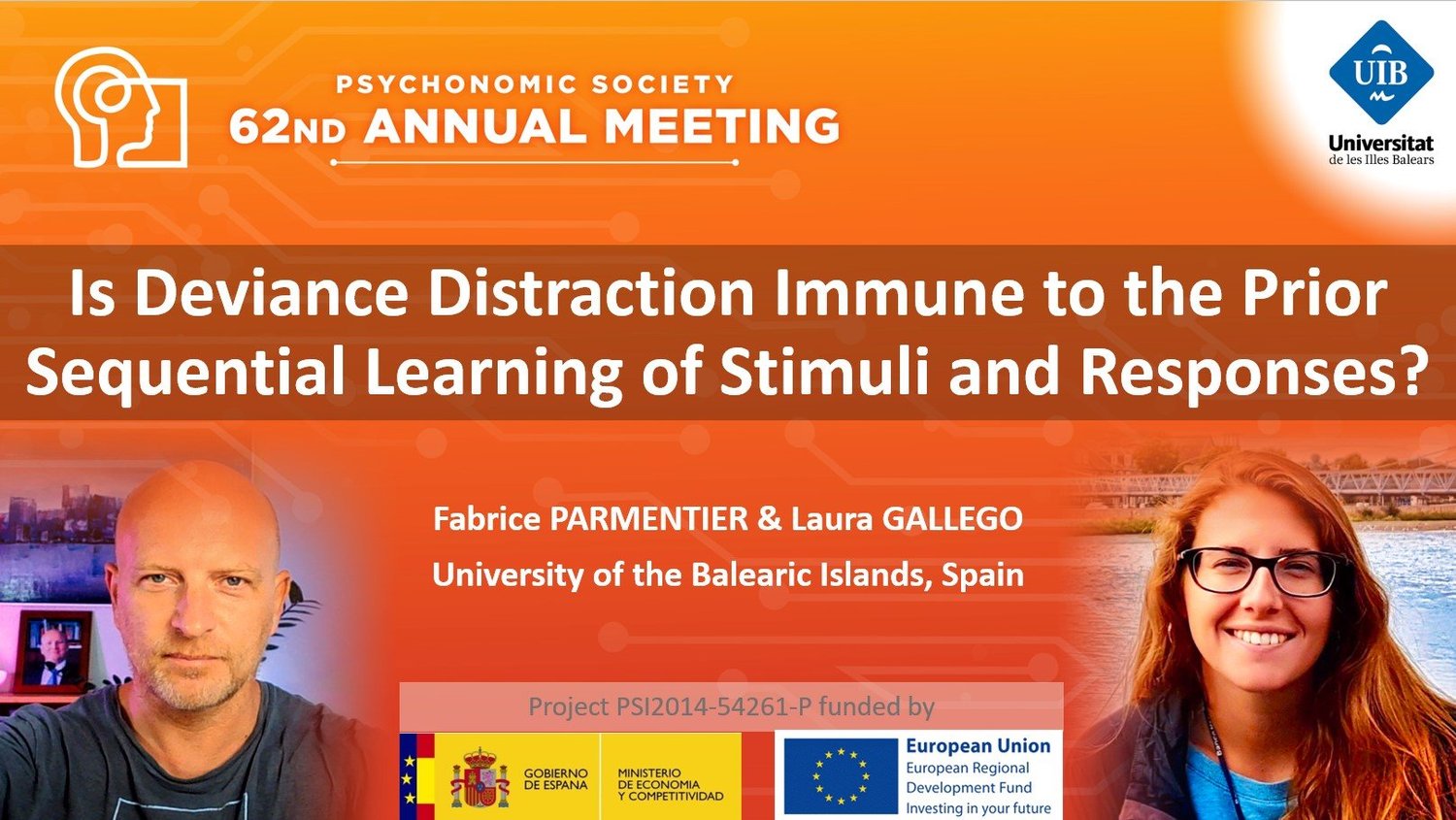
Watch Fabrice's talk at the 62nd Annual Meeting of the Psychonomic Society
The talk presented at the 62nd Annual Meeting of the Psychonomic Society (November, 2021) is noW available to watch on YouTube.
Read more
Abstract:
Unexpected auditory stimuli presented in the context of an otherwise repeated standard sound capture participants’ attention away from a focal task and yield distraction. While making such sounds predictable reduces distraction, the effect of making target stimuli and responses predictable is unknown. Using a modified serial reaction time task, we installed the learning of a sequence of target stimuli before testing the impact of unexpected sounds on performance. In the learning phase, participants pressed response buttons corresponding to visual cues appearing in one of four spatial locations arranged horizontally. Unbeknownst to participants, the sequence of locations followed a pattern during several blocks before being replaced by a new pattern. The data provided solid evidence of sequence learning for the repeated sequence. In the auditory distraction phase, auditory distractors were presented immediately before each visual target. Unexpected sounds lengthened response times compared to the standard sound (novelty distraction), equally for learned and new sequences. We conclude that the anticipation of target stimuli and responses does not shield participants from deviance distraction.
Powered by Squarespace
Reference: Parmentier, F. B. R., & Gallego, L. (2021). Is Deviance Distraction Immune to the Prior Sequential Learning of Stimuli and Responses? Talk presented at the 62nd Annual Meeting of the Psychonomic Society, 4-7 November.
Fabrice Parmentier becomes moderator of the Open Sesame Forum
After many years programming experiments in E-Prime, we are starting to develop tasks using Open Sesame and its browser-oriented version OSWeb.
Read more
E-Prime is a great tool and has been Fabrice Parmentier’s go-to experiment programming software for several years. It will most likely remain a feature of the Cognitive Psychology Lab, but it is expected that Open Sesame, a free and open program, will progressively become our main software for experimental studies (online and lab-based) in the future.
Fabrice began exploring Open Sesame and its suitability for online experiments back in March 2021, leading him to become increasingly active in Open Sesame’s official forum site, helping other users to solve their task programming problems. This was noticed by Open Sesame’s creator and administrator of the forum, Prof. Sebastiaan Mathôt (University of Groningen, Netherlands), who has just invited Fabrice to join the team of moderators.
Open Sesame-s reference:
Mathôt, S., Schreij, D., & Theeuwes, J. (2012). OpenSesame: An open-source, graphical experiment builder for the social sciences. Behavior Research Methods, 44(2), 314-324. doi:10.3758/s13428-011-0168-7
Powered by Squarespace
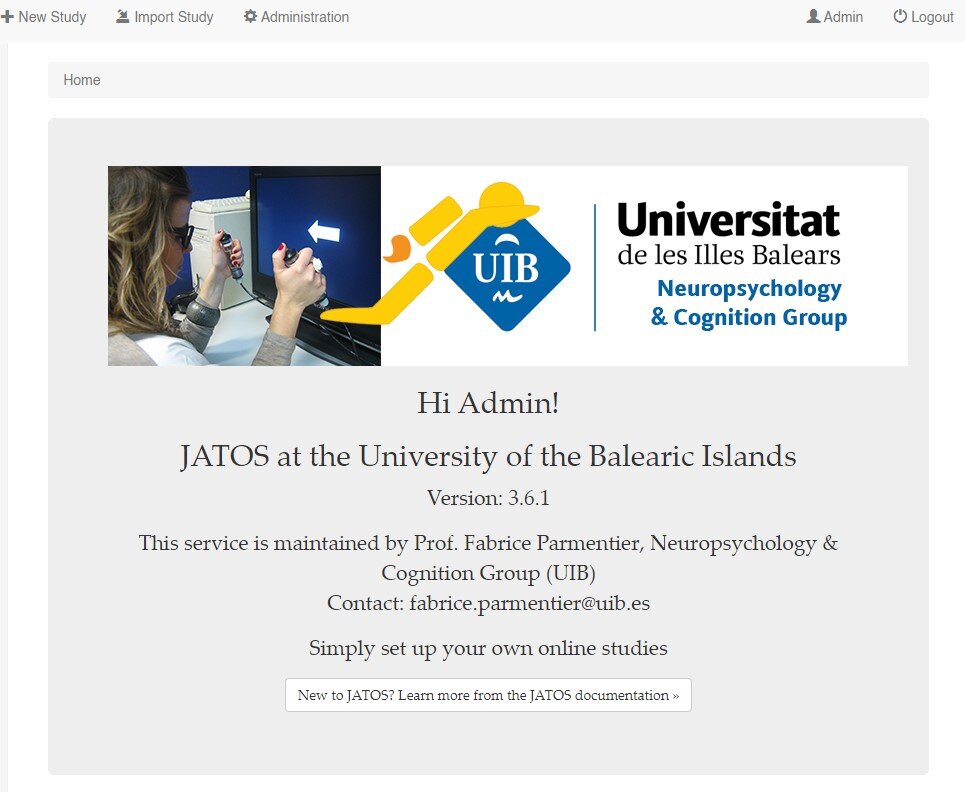
Neuropsychology and Cognition Group running its own JATOS service
JATOS ready for duty!
Read more
Our group now counts with its own server and the JATOS service capable of running online studies programmed in jsPsych, lab.js, OSWeb/OpenSesame, PsyToolkit or any HTML/Javascript/CSS code. This service supports experiments on mobile devices, desktops and lab computers that run a browser.
Fabrice Parmentier is managing JATOS for the group.
Powered by Squarespace
Project proposal on distraction by unexpected sounds is awarded national funding
The research project, approved for funding by the Agencia Estatal de Investigación (State Research Agency), will study auditory distraction.
Read more
The project will be led by Fabrice Parmentier with the participation and support of a number of distinguished collaborators: János Horváth (Institute for Cognitive Neuroscience and Psychology, Research Centre for Natural Sciences, Budapest, Hungary), Martin Vasilev and Julie Kirkby (Bournemouth University, UK), and Alicia Leiva (University of the Balearic Islands).
The project, entitled “Extending our knowledge of distraction by unexpected sounds” will officially start in September 2021 and run for 4 years. The original work plan includes 22 empirical experiments that will investigate several aspects of auditory distraction, ranging from fundamental cognitive mechanisms to contextual variables and motoric aspects.
The project was highly rated by 4 expert reviewers and received average scores of 93.64% for quality and feasibility, 92.5% for the project leader ‘s and collaborators’ track record, and 91.97% for expected impact. The overall project score is 93/100.
The project is to be funded to the tune of 145,200 Euros and will include, in addition, one PhD studentship (estimated value of about 91,000).
Powered by Squarespace
Aging increases cross-modal distraction by unexpected sounds: Controlling for response speed
Our latest paper on aging and deviance distraction has been accepted for publication in Frontiers in Aging Neuroscience and WILL come out shortly.
Read more
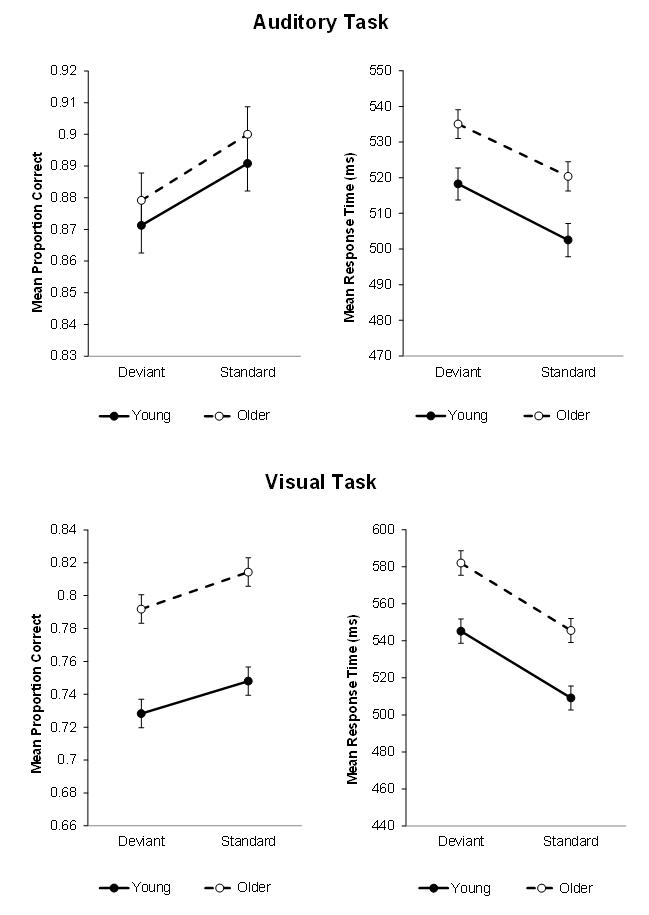
This study by Leiva, Andrés and Parmentier uses Bayesian statistics and Bayesian estimation methods to revisit the results of five past studies and shows that aging increases distraction by unexpected sounds in cross-modal but not in uni-modal oddball tasks, even when controlling for age-related variations in baseline response speed. Bayesian estimation provides credible estimate of the size of the aging effect, showing that this distraction is about twice as large in older than in young adults.
Abstract: It is well established that task-irrelevant sounds deviating from an otherwise predictable auditory sequence capture attention and disrupt ongoing performance by delaying responses in the ongoing task. In visual tasks, larger distraction by unexpected sounds (deviance distraction) has been reported in older than in young adults. However, past studies based this conclusion on the comparisons of absolute response times and did not control for the general slowing typically observed in older adults. Hence, it remains unclear whether this difference in deviance distraction between the two age groups reflects a genuine effect of aging or a proportional effect of similar size in both groups. We addressed this issue by using a proportional measure of distraction to reanalyze the data from four past studies and used Bayesian estimation to generate credible estimates of the age-related difference in deviance distraction and its effect size. The results were unambiguous: older adults exhibited greater deviance distraction than young adults when controlling for baseline response speed (in each individual study and in the combined data set). Bayesian estimation revealed a proportional lengthening of response times by unexpected sounds that was about twice as large in older than in young adults (corresponding to a large statistical effect size). A similar analysis was carried out on the proportion of correct responses and produced converging results. Finally, an additional Bayesian analysis comparing data from cross-modal and uni-modal studies confirmed the selective effect of aging on distraction in the first and not the second. Overall, our study shows that older adults performing a visual categorization task do exhibit greater distraction by unexpected sounds than young adults and that this effect is not explicable by age-related general slowing.
Powered by Squarespace
Reference: Leiva, A., Andrés, P., & Parmentier, F. B. R. (2021) Aging Increases Cross-Modal Distraction by Unexpected Sounds: Controlling for Response Speed. Front. Aging Neurosci. 13:733388. doi: 10.3389/fnagi.2021.733388
Top mark for undergraduate dissertation: Congratulations to Laura Gallego!
Congratulations to Laura Gallego for obtaining the “matrícula de honor” (the top mark reserved for the very best performance) for her undergraduate dissertation
Read more
A panel of three academics awarded a mark of 9.7/10 to Laura for a dissertation focused on the role of visual context in auditory distraction. The dissertation is entitled “¿Puede el contexto visual modular la distracción auditiva? (“Can the visual context modulate auditory distraction?”). The mark was awarded on the basis of her written dissertation and an excellent oral presentation. The dissertation reports the results of a solid empirical experiment in which participants categorized visual targets while ignoring irrelevant sounds and background pictures. The results of this original piece of work unambiguously demonstrate that the cognitive system computes auditory sensory predictions based on probabilistic relationship between task-irrelevant sounds and visual background. Put simply, the human brain quickly learns to predict sounds based on the context in which they are experienced, making sound more or less distracting depending on the extent to which they are surprising in a given context.
The work, supervised by Fabrice Parmentier, builds upon the literature on deviance distraction and opens new avenues for research in this field. We expect to complement and write up this work for publication in the near future.
Laura has now completed her degree in psychology, which she did with great success and - an unprecedented event among our students - with a publication in one of the very best journals in experimental psychology! (more information here).
Congratulations, Laura!
Powered by Squarespace
Is the expression of implicit sequence learning free from inhibitory control?
A recent transcranial magnetic stimulation (TMS) study in which participated Alicia Leiva with colleagues from the University of Granada and the University of Santiago de Compostela has just been accepted for publication in Cortex.
Read more
The study reviews the role of activity in cortical areas underpinning inhibitory control and report the results of a new experiment seeking to examine the role of these areas in the expression of implicitly acquired sequences.
Abstract: Implicit learning refers to the incidental acquisition and expression of knowledge that is not accompanied by full awareness of its contents. Implicit sequence learning (ISL) represents one of the most useful paradigms to investigate these processes. In this paradigm, participants are usually instructed to respond to the location of a target that moves regularly through a set of possible locations. Although participants are not informed about the existence of a sequence, they eventually learn it implicitly, as attested by the costs observed when this sequence is violated in a reduced set of control trials. Interestingly, the expression of this learning decreases immediately after a control trial, in a way that resembles the adjustments triggered in response to incongruent trials in interference tasks. These effects have been attributed to a control network involving dorsolateral prefrontal cortex (DLPFC) and cingulate (ACC) structures. In the present work, we reviewed a group of recent studies which had inhibited DLPFC top-down control by means of non-invasive brain stimulation to increase the acquisition of ISL. In addition, as no previous study has investigated the effect inhibiting top-down control on releasing the automatic expression of ISL, we present a pre-registered – yet exploratory – study in which an inhibitory continuous theta burst stimulation protocol was applied over an anterior-ventral portion of the dorsolateral prefrontal cortex (DLPFC) highly interconnected with the ACC, and whose activity has been specifically linked to motor control (i.e., Right DLPFC, n=10 or the Left DLPFC, n=10), compared to active Vertex stimulation (n=10). Contrary to our hypotheses, the preliminary results did not show evidence for the involvement of such region in the expression of ISL. We discussed the results in the context of the set of contradictory findings reported in the systematic review.
Powered by Squarespace
Reference: Prutean, N., Martín-Arévalo, E., Leiva, A., Jiménez, L., Vallesi, A., & Lupiáñez, J. (in press). The causal role of inhibitory control on the acquisition and expression of implicit learning: state of the art. Cortex.
Unexpected sounds distract us even when our task is predictable
A new study by Fabrice Parmentier and Laura Gallego has just been accepted for publication in Psychonomic Bulletin & Review. While previous work has shown that the predictability of the unexpected sounds reduces distraction, this study is the first to show that the predictability of the task stimuli and responses does not protect participants from auditory distraction.
Read more
View the paper on Springer Nature’s Sharedit.
This work formed part of Laura Gallego’s placement as student collaborator working with Fabrice Parmentier.
Abstract: Past studies show that novel, task-irrelevant, auditory stimuli, presented in the context of an otherwise repeated standard sound, capture participants’ attention away from a focal task, resulting in behavioral distraction. While evidence has shown that making novel sounds predictable reduces or eliminates distraction, it remains unknown whether predictable target stimuli can also shield participants from novelty distraction. Using a serial reaction time task, we installed the learning of a sequence of target stimuli before testing the impact of novel sounds on performance for this sequence compared to a new one. In the learning phase, participants pressed response buttons corresponding to visual cues appearing in one of four spatial locations arranged horizontally. Unbeknownst to participants, the sequence of locations followed a pattern during several blocks before being replaced by a new pattern. The data provided solid evidence of sequence learning for the repeated sequence. In the auditory distraction phase, auditory distractors were presented immediately before each visual target. Novel sounds lengthened response times compared to the standard sound (novelty distraction), equally for learned and new sequences. We conclude that the anticipation of target stimuli and responses does not shield participants from novelty distraction and that the latter is an obligatory attentional effect.
Latest update: This work has been accepted for oral presentation at the 62d Annual Meeting of the Psychonomic Society, in New Orleans, USA, 4-7 November 2021.
Powered by Squarespace
Reference: Parmentier, F. B. R., & Gallego, L. (2020). Is deviance distraction immune to the prior sequential learning of stimuli and responses? Psychonomic Bulletin & Review, 27, 490-497.
Interesting young people in research careers
As part of the a series of activities aimed at promoting gender equality in science and encouraging young people to get interested in research, Antonia Siquier met students at the CEIP Nicolau Calafat school in Valldemossa to talk to them about her experience as a researcher in neuropsychology and cognition.
Read more
This presentation is part of an initiative by the local government in which the IdISBa is participating, sending scientists from a variety of disciplines to schools and educational centers from February 3rd to 11th. The activity aims to awake an interest in science in young people to promote science, highlighting feminine roles in scientific fields.
Powered by Squarespace
New student colaborator is joining us! Welcome Carme!
Congratulations to Carme Isern-Mas who has joined our group as undergraduate an student collaborator. Carme is taking part in some research on attention and auditory distraction with Fabrice Parmentier, with a first experiment planned to start next week!
Read more
Powered by Squarespace
Disgusting and neutral words capture attention to the same extent
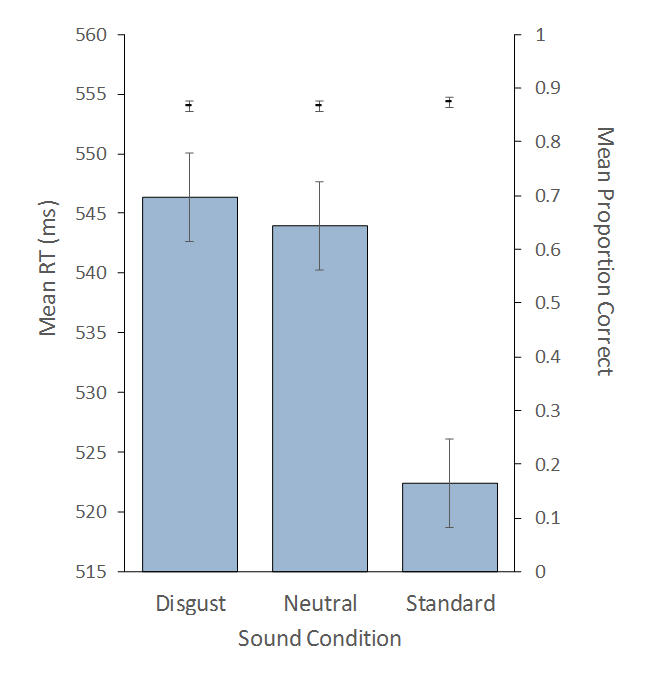
Disgusting stimuli are thought to be potent distractors, but a new study just published by Parmentier, Fraga, Leiva and Ferré in Psychological Research shows that disgusting words yield the same amount of distraction as neutral words when these words are unexpected auditory distractors in a visual task. A subsequent surprise recognition task revealed that both types of words were equally well recognized. These results were not affected by the participant’s personal sensitivity to disgust.
Read more
[Download this paper]
Reference:
Parmentier, F. B. R., Fraga, I., Ferré, P., & Leiva, A. (2019, May 4th). Distraction by deviant sounds - Disgusting and neutral words capture attention to the same extent. Psychological Research. Advanced online publication. doi: 10.1007/s00426-019-01192-4
Abstract:
Several studies have argued that words evoking negative emotions, such as disgust, grab attention more than neutral words, and leave traces in memory that are more persistent. However, these conclusions are typically based on tasks requiring participants to process the semantic content of these words in a voluntarily manner. We sought to compare the involuntary attention grabbing power of disgusting and neutral words by using them as rare and unexpected auditory distractors in a cross-modal oddball task, and then probing the participants’ memory for these stimuli in a surprise recognition task. Frequentist and Bayesian analyses converged to show that, compared to a standard tone, disgusting and neutral auditory words produced significant but equivalent levels of distraction in a visual categorization task, that they elicited comparable levels of memory discriminability in the incidental recognition task, and that the participants’ individual sensitivity to disgust did not influence the results. Our results suggest that distraction by unexpected words is not modulated by their emotional valence, at least when these words are task-irrelevant and are temporally and perceptually decoupled from the target stimuli.
Powered by Squarespace
Book presentation: "Neuropsicología forense" (A. Nagore Casas)
This Wednesday 27th March, the College of Psychologists of the Balearic Islands (COPIB) will be hosting the presentation of the recently published book “Neuropsicología forense” (Forensic neuropsychology) by Amaya Nagore Casas.
Read more
The event will count with the input from the author Amaya Nagore Casas (forensic psychologist with the Ministry of Justice, clinical neuropsychologist and member of the Clinical Neuroscience research group of Segovia), as well as from Pilar Andrés (clinical neuropsychologist and coordinator of the Neuropsychological Group of the COPIB), Javier Torres (forensic psychologist), and María José Catalán Frías (Dean of the College of Psychologist for the region of Murcia, and President of the Association of forensic psychologists of the Justice Administration).
The event will take place in Spanish.
Time and venue: Sala d’actes del COPIB: c/ Manuel Sanchis Guarner, núm. 1 de Palma - 27th March 2019 at 20:00
Powered by Squarespace
Direct and indirect effects of mindfulness on depression and anxiety
Mindfulness reduces depression and anxiety by reducing worry, ruminations, suppression, and by increasing cognitive reappraisal
Read more
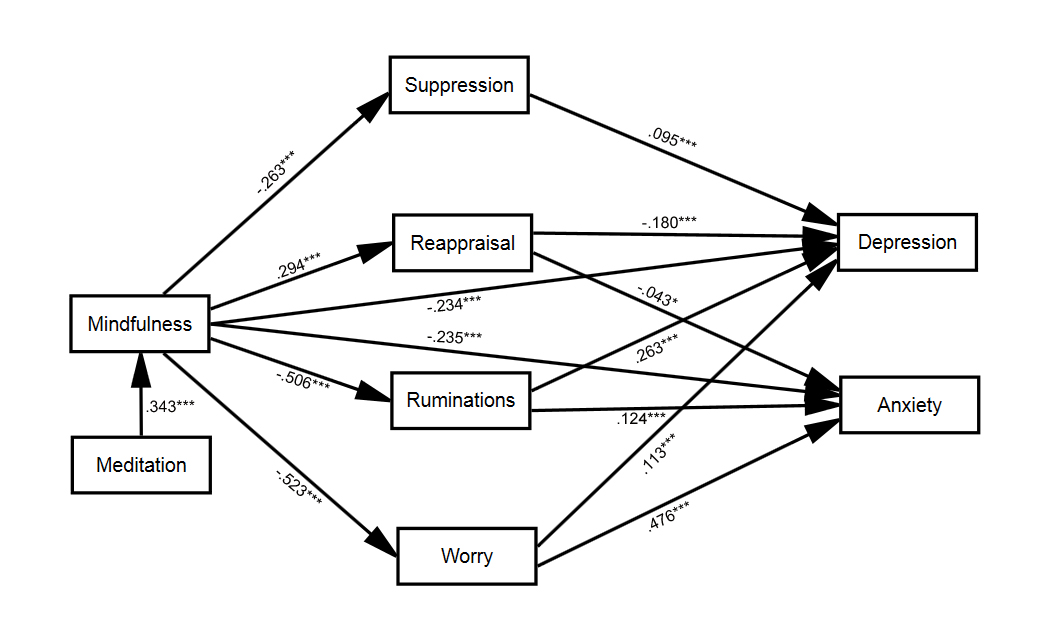
A new study led by Fabrice Parmentier and just accepted for publication in Frontiers in Psychology shows that the beneficial effects of mindfulness on symptoms of depression and anxiety are in part mediated by emotional regulation (reappraisal and suppression), worry and ruminations.
Based on data collected from a large international sample of adults with no reported history of psychiatric disorder, the authors showed that dispositional mindfulness was associated with lower levels of depression and anxiety, and that this relationship was in part accounted for by the mediating effect of mindfulness on reappraisal, suppression, worry and rumination. Interestingly, the results also show that mindfulness meditation practice did not reduce depression or anxiety directly (instead, its effect was indirect, through a positive association with mindfulness).
Abstract:
The present study examined the effects of mindfulness on depression and anxiety, both direct and indirect through the mediation of four mechanisms of emotional regulation: worry, rumination, reappraisal and suppression. Path analysis was applied to data collected from an international and non-clinical sample of 1151 adults, including both meditators and non-meditators, who completed an online questionnaire battery. Our results show that mindfulness are related to lower levels of depression and anxiety both directly and indirectly. Suppression, reappraisal, worry and rumination all acted as significant mediators of the relationship between mindfulness and depression. A similar picture emerged for the relationship between mindfulness and anxiety, with the difference that suppression was not a mediator. Our data also revealed that the estimated number of hours of mindfulness meditation practice did not affect depression or anxiety directly but did reduce these indirectly by increasing mindfulness. Worry and rumination proved to be the most potent mediating variables. Altogether, our results confirm that emotional regulation plays a significant mediating role between mindfulness and symptoms of depression and anxiety in the general population and suggest that meditation focusing on reducing worry and rumination may be especially useful in reducing the risk of developing clinical depression.
Download the article here
This work was carried out thanks to a research grant from the BIAL Foundation.
Powered by Squarespace
Reference: Parmentier, F. B. R., Mauro-García, M., García-Campayo, J., Yanez, A. M., Andrés, P., & Gili-Planas, M. (2019). Mindfulness and symptoms of depression and anxiety in the general population: The mediating roles of worry, rumination, reappraisal and suppression. Frontiers in Psychology, 10:506. doi: 10.3389/fpsyg.2019.00506
XIV International Symposium of Psycholinguistics
Still time to send your work to the next International Symposium of Psycholinguistics in Tarragona! (extended deadline: January 15th 2019)
Read more
A stimulating meeting for psycholinguists and others interested in links between their domain of research and psycholinguistics (my case)!
Keynote speakers: Judith Kroll, Angela Friederici, and Manual Carreiras.
Powered by Squarespace
New students collaborators
Congratulations to Laura Gallego and Francisco Guillem who are joining our group as undergraduate student collaborators. Laura will be participating in a research project on attention and distraction led by Fabrice Parmentier. Francisco will participate in a project on the early diagnosis of Alzheimer’s disease led by Pilar Andrés.
Read more
Powered by Squarespace
The effect of deviant sounds on eye movements during reading
In a study by Vasilev, Parmentier, Angele and Kirkby just accepted for publication in the Quarterly Journal of Experimental Psychology, we investigated the effect of deviant sounds on eye movements during a reading task. Our study shows for the first time that unexpected sounds caused longer fixations on the word immediately following this sound, which we interpret as the result of a disruption of the programming of the next saccade. This work is part of a collaboration with Martin Vasilev, Berhnard Angele and Julie Kirkby from Bournemouth University.
Read more
Abstract: Oddball studies have shown that sounds unexpectedly deviating from an otherwise repeated sequence capture attention away from the task at hand. While such distraction is typically regarded as potentially important in everyday life, previous work has so far not examined how deviant sounds affect performance on more complex daily tasks. In this study, we developed a new method to examine whether deviant sounds can disrupt reading performance by recording participants’ eye-movements. Participants read single sentences in silence and while listening to task-irrelevant sounds. In the latter condition, a 50-ms sound was played contingent on the fixation of five target words in the sentence. On most occasions, the same tone was presented (standard sound), while on rare and unexpected occasions it was replaced by white noise (deviant sound). The deviant sound resulted in significantly longer fixation durations on the target words relative to the standard sound. A time course analysis showed that the deviant sound began to affect fixation durations around 180 ms after fixation onset. Furthermore, deviance distraction was not modulated by the lexical frequency of target words. In summary, fixation durations on the target words were longer immediately after the presentation of the deviant sound, but there was no evidence that it interfered with the lexical processing of these words. The present results are in line with the recent proposition that deviant sounds yield a temporary motor suppression and suggest that deviant sounds likely inhibit the programming of the next saccade.
Powered by Squarespace
Reference: Vasilev, M. R., Parmentier, F. B. R., Angele, B., & Kirkby, J. A. (in press). Distraction by deviant sounds during reading An eye-movement study. Quarterly Journal of Experimental Psychology.
Congratulations Dr Molina!
Congratulations to Enrique Molina, who was awarded his PhD title for a thesis entitled “Efecto de los factores circadianos en la vigilancia durante la realización de una tarea de conducción” (The effect of circadian factors on vigilance in a driving task) this Friday 28th September 2018.
Read more
Enrique carried out his PhD at the University of Granada under the supervision of Dr Ángel Correa and Dr Daniel Sanabria.
English summary (taken from the thesis):
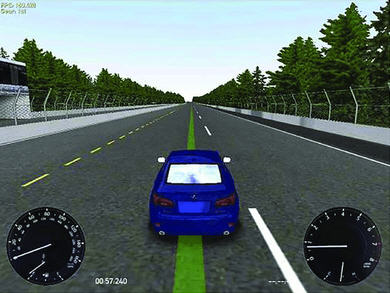
“Driver’s fatigue is one of the main causes of road accidents, as it can produce distractions and drowsiness, especially in long and monotonous roads. The ability to maintain a good performance while driving (or in any other task that requires attention) for a long period of time is called vigilance, and it can present fluctuations and a continuous decline with time on task, a phenomenon known as the vigilance decrement (Mackworth, 1948). These fluctuations are modulated by factors like motivation, sleep or circadian rhythmicity, which refers to the periodicity of several human functions, like sleep-wake cycle, hormone production or even cognitive performance (see for example (Goldstein, Hahn, Hasher, Wiprzycka, & Zelazo, 2007).
Therefore, a main goal in fatigue research is to identify these attentional fluctuations that can lead to poor performance states. One framework to attain this aim is monitoring subject’s psychophysiological variables, like the ocular movements, the body temperature or the electroencephalogram (EEG), and use them as indices of subject’s performance on the task. A system that, using these variables, could identify subject’s low attentional states and alert the driver of an imminent risk, would have important implications on safety, even more if such a system could identify these states in advance.
Within this framework, some neurophysiological models have been developed to predict a driver’s performance from records of the brain activity (Chin-Teng Lin et al., 2005). These models are, generally, subject- or task-specific and is not clear to what extent they can be transfer between subjects or tasks.
In this thesis we addressed the topic of predicting low performance states while driving. To do so, we first studied different factors that can modulate performance in a driving task; second, we studied two neurophysiologic indices of attentional state using a simple vigilance task; and third, we tested the predictive accuracy of a simple regression model when transferred between two different attentional tasks.
In Experiment 1, we studied the effect of time of day and chronotype on the vigilance decrement in a simulated driving task and in a simple reaction time task, the Psychomotor Vigilance Task (PVT; Dinges & Powell, 1985). We tested two extreme chronotype groups (morning-type and evening-type) at two different moments of day (8am vs 8pm). These two times of the day represented an optimum and sub-optimum cognitive state for each chronotype, being the morning-type in its optimum state at 8am, and the evening-type at 8pm. We also recorded the EEG throughout the driving task to analyze the power dynamics in the main frequency bands (i.e., theta, alpha and beta). Results from this study showed an interaction between the circadian factors (i.e., time of day and chronotype), but only for the evening-type group, while morning-type group showed a very stable performance at both moments of the day. This interaction appeared for both, the driving task and the PVT, but it was not reflected in the EEG, which only showed a generalized power increment with time on task for both chronotypes.
In Experiment 2 we analyzed two psychophysiological variables (EEG and skin temperature) as predictors of the attentional fluctuations while a long 45-min PVT, controlling for the effect of circadian factors by choosing only intermediate-type chronotypes and avoiding extreme hours (i.e., early in the morning or late in the evening) to run the experiment. The EEG and temperature were recorded continuously throughout the task. We examined the power dynamics of the theta, alpha and beta frequency bands from the EEG, and three different skin temperature measures, the distal temperature (recorded from the wrist, over the small superficial capillaries), the proximal temperature (recorded under the left clavicle as an estimator of the core body temperature), and the distal-proximal gradient (DPG), which is the difference between the distal and the proximal temperatures, being a more stable measure. Subsequently, these variables (the EEG frequency power and the three temperature recordings) were related to the performance in the PVT, measured as the reaction time.
Results showed evidence of a clear relationship between a slowing-down in the response time and an increment in power in theta and alpha frequency bands, in brain regions related to the attentional network. Likewise, a linear mixed-model showed that a reduction in the distal skin temperature and in the DPG resulted in an increment of the reaction time (i.e., a poorer performance). These results showed that both indices, the EEG frequency power and the skin temperature were potential predictors of subject’s performance in a vigilance task. However, while the EEG worked on a milliseconds scale, the temperature had a much slower time course, on the scale of minutes, which make the former a better choice as predictor for our next experiment.
In the Experiment 3, our main goal was to develop a model to predict performance in a driving task using some of the indices from Experiment 2, that is, the power dynamics from theta and alpha frequency bands. Also, we aimed to transfer this model between tasks, using the data from the PVT to build the model and then using it to predict performance in the driving task. Thus, in Experiment 3, subjects performed a 20-min PVT and a 60-min simulated driving task, while the EEG was recorded throughout the tasks.
The EEG analyses were similar to those used in Experiment 2, and results from the power dynamics replicated those found in Experiment 2. More precisely, the EEG analyses showed an increment of alpha and theta frequency power related to an increment in the reaction time for both tasks, the PVT and the simulated driving. Also, these frequency dynamics were located in the frontal-parietal attentional network and in the default mode network.
The data from the PVT were used to fit an individualized linear regression model, using the EEG frequency power as predictor of the reaction time. Then, this model was feed with the EEG data from the driving task to obtain estimates of the reaction time, which was finally correlated with the actual reaction time from the driving task. This correlation was positive and significant for barely a third of the subjects. It is possible that the complexity of the model was a key factor when transferring it between tasks, and a simple model as ours only works when the attentional fluctuations are not influenced by other factors unrelated to fatigue.
In sum, in this thesis we have proposed an individualized predictive model of performance in a simulated driving task built from a simpler task like the PVT. In Experiment 2 we have shown that EEG and temperature analyses can grasp the attentional state and can predict (even 2 seconds in advance in the case of the EEG) the reaction time in the PVT. Then, in Experiment 3, results showed that it is possible to transfer a simple regression model and make accurate predictions between tasks, at least for a few subjects. We have likewise shown for the first time that circadian factors play an important role on driving performance, and that this could also be related to subjects’ personality. Thus, if personality could affect the performance stability between sessions, then, although circadian factors were controlled in our last experiment, other personality or mood states could have influence the difference in outcomes between tasks. Therefore, a more complex regression model that accounts for variables related to the subject could be the key for the model to work in most of the subjects.
The approach proposed in this thesis is based on the generalization of a predicting model using a simple task. This model would allow anyone to adjust an individualized and instantaneous system for fatigue prevention, not only for driving tasks, but for many other daily tasks that require of a continuous level of alertness. These tasks are common in many jobs and in many cases, an attentional lapse can result in serious accidents, and therefore, research in such a model will have a big impact in safety.“
Powered by Squarespace
Spatial biases in perception and cognition
A new book chapter by Ophelia Deroy, Irune Fernandez-Prieto, Jordi Navarra and Charles Spence has just come out. This chapter focuses on the processing of spatial pitch and is part of a book published by Cambridge Press on spatial biases in perception and cognition.
Read more
Powered by Squarespace
Reference: Deroy, O., Fernandez-Prieto, I., Navarra, J., & Spence, C. (2018) Unravelling the paradox of spatial pitch. In T. L. Hubbard (Eds.), Spatial biases in perception and cognition. Cambridge, UK: Cambridge University Press.
New publication by Irune Fernandez-Prieto
Congratulations to Irune who, with her colleagues at Jordi Navarra's lab, has just published a study showing that passive exposure to melodies elicits spatial predictions.
Read more
[Download]
Abstract: Musical melodies have "peaks" and "valleys". Although the vertical component of pitch and music is well-known, the mechanisms underlying its mental representation still remain elusive. We show evidence regarding the importance of previous experience with melodies for crossmodal interactions to emerge. The impact of these crossmodal interactions on other perceptual and attentional processes was also studied. Melodies including two tones with different frequency (e.g., E4 and D3) were repeatedly presented during the study. These melodies could either generate strong predictions (e.g., E4-D3-E4-D3-E4-[D3]) or not (e.g., E4-D3-E4-E4-D3-[?]). After the presentation of each melody, the participants had to judge the colour of a visual stimulus that appeared in a position that was, according to the traditional vertical connotations of pitch, either congruent (e.g., high-low-high-low-[up]), incongruent (high-low-high-low-[down]) or unpredicted with respect to the melody. Behavioural and electroencephalographic responses to the visual stimuli were obtained. Congruent visual stimuli elicited faster responses at the end of the experiment than at the beginning. Additionally, incongruent visual stimuli that broke the spatial prediction generated by the melody elicited larger P3b amplitudes (reflecting 'surprise' responses). Our results suggest that the passive (but repeated) exposure to melodies elicits spatial predictions that modulate the processing of other sensory events.
Powered by Squarespace
Reference: Romero-Rivas, C., Vera-Constán, F., Rodríguez-Cuadrado, S., Puigcerver, L., Fernandez-Prieto, I., Navarra, J. (2018). Seeing music: The perception of melodic 'ups and downs' modulates the spatial processing of visual stimuli. Neuropsychologia, 117, 67-74. Doi: 10.1016/j.neuropsychologia.2018.05.009
Alicia Leiva is awarded a Juan de la Cierva postdoctoral grant!
Congratulations to Alicia who has just been awarded a 2 years post-doctoral position by the Spanish Ministry of Economy, Industry, and Competitiveness to go work with Prof. Juan Lupiañez at the University of Granada. Alicia was ranked 3rd nation-wide and is one of only 7 recipients of this highly competitive scheme in the psychology category.
Read more
The Juan de la Cierva scheme is one of two national schemes aimed at promoting the post-doctoral fundamental research training of young scientists in Spanish researcher centers. A total of 225 grants have been awarded as part of the 2017 call, 7 of them in psychology.
Powered by Squarespace
Keynote address at the 13th Annual Meeting of the Portuguese Society for Experimental Psychology
On April 13th-14th, the University of Minho hosted the 13th Annual Meeting of the Portuguese Society for Experimental Psychology (APPE), an exciting and stimulating event gathering researchers in all fields of experimental psychology from all around Portugal and, as this year's Keynote Speaker, Prof. Fabrice Parmentier.
Read more
Keynote conference by Fabrice Parmentier: Why do unexpected sounds distract us?
Abstract:
Unexpected auditory stimuli presented in the context of an otherwise repetitive or structured acoustic background ineluctably break through selective attention filters and capture our attention. Past research abundantly described the electrophysiological markers of such phenomenon. Unexpected sounds also affect behavioral performance in an ongoing, unrelated, task, resulting in distraction. Such distraction typically translates in slower response to target stimuli. While this effect was initially regarded as a simple byproduct of an involuntary orienting response towards novelty, recent studies have shed light on the cognitive mechanisms underpinning this effect and unearthed a number of factors mediating it. In this talk, I will review experimental results aiming to identify the cognitive determinants of this type of distraction, its mediation by some stimulus- and participant-based characteristics, and present some recent evidence suggesting that unexpected sounds might disrupt motor actions.
Powered by Squarespace
¡Reciba dinero participando en nuestos experimentos!
Powered by Squarespace
Electroencephalographic and skin temperature indices of vigilance and inhibitory control
Fluctuations of attention can be monitored using EEG and skin temperature. Congratulations to Enrique Molina for his latest publication!
Read more
Reference
Lara, T., Molina, E., Madrid, J. A., & Correa, A. (2018). Electroencephalographic and skin temperature indices of vigilance and inhibitory control, Manuscript in press in Psicologica.
Abstract
Neurophysiological markers of the ability to sustain attention and exert inhibitory control of inappropriate responses have usually relied on neuroimaging methods, which are not easily applicable to real-world settings. The current research tested the ability of electroencephalographic and skin temperature markers to predict performance during the Sustained Attention to Response Task (SART), which demands vigilance and inhibitory control. In Experiment 1, we recorded the electroencephalogram (EEG) during the performance of SART and found that eventrelated potentials underlying inhibitory control (N1 and N2/P3) were influenced by a time on task effect, suggesting a decrement in attentional resources necessary for optimal inhibitory control. In Experiments 2 and 3, we recorded skin temperatures (distal, proximal and the distal-proximal temperature gradient –DPG) and found that 2 they were sensitive to differential demands of mental workload, and that they were related to behavioural performance in the SART. This study suggests that the recording of EEG and skin temperature may be used to monitor fluctuations of attention in natural settings, although further research should clarify the exact psychological interpretation of these physiological indices.
Download the paper here
Powered by Squarespace
More distracted by food irrelevant words when you're hungry
In their recently published study, Fabrice Parmentier, Toñi Pacheco and Sara Valero explored whether the distraction by task-irrelevant deviant words is mediated by the extent to which these words relate to our biological needs. in this study, participants were asked to categorize visual digits while ignoring task-irrelevant sounds. On rare occasions these sounds were food-related words or control words (as opposed to a tone). Participants who came to the laboratory in a state of hunger exhibited greater distraction by the irrelevant words than satiated participants. In contrast, satiated participants showed facilitation in ignoring the deviant food-related words. These effects were observed in the first block of trials only, suggesting rapid semantic saturation thereafter. These results follow up on the work by Parmentier (2008) and demonstrate that irrelevant deviant words undergo semantic processing even when they share no feature with the primary task.
Read more
Abstract: Rare changes in a stream of otherwise repeated task-irrelevant sounds break through selective attention and disrupt performance in an unrelated visual task by triggering shifts of attention to and from the deviant sound (deviance distraction). Evidence indicates that the involuntary orientation of attention to unexpected sounds is followed by their semantic processing. However, past demonstrations relied on tasks in which the meaning of the deviant sounds overlapped with features of the primary task. Here we examine whether such processing is observed when no such overlap is present but sounds carry some relevance to the participants’ biological need to eat when hungry. We report the results of an experiment in which hungry and satiated participants partook in a cross-modal oddball task in which they categorized visual digits (odd/even) while ignoring task-irrelevant sounds. On most trials the irrelevant sound was a sinewave tone (standard sound). On the remaining trials, deviant sounds consisted of spoken words related to food (food deviants) or control words (control deviants). Questionnaire data confirmed state (but not trait) differences between the two groups with respect to food craving, as well as a greater desire to eat the food corresponding to the food-related words in the hungry relative to the satiated participants. The results of the oddball task revealed that food deviants produced greater distraction (longer response times) than control deviants in hungry participants while the reverse effect was observed in satiated participants. This effect was observed in the first block of trials but disappeared thereafter, reflecting semantic saturation. Our results suggest that (1) the semantic content of deviant sounds is involuntarily processed even when sharing no feature with the primary task; and that (2) distraction by deviant sounds can be modulated by the participants’ biological needs.
Powered by Squarespace
Reference: Parmentier, F. B. R., Pacheco-Unguetti, A. P., & Valero, S. (2018). Food words distract the hungry: Evidence of involuntary semantic processing of task-irrelevant but biologically-relevant unexpected auditory words. PLoSONE 13(1): e0190644.
[Download here]
Interested in doing a PhD with us? The call for "FPU" applications is out! (deadline: 29/12/2017)
The Spanish Ministry of Education, Culture and Sports has published the call for candidates wishing to apply for 4-year PhD studentships. The application process is in two steps:
Read more
(1) Candidates interested and meeting the requirements (see below) must apply and will be selected based on academic grades (deadline: 29/12/2017). Candidates must apply through the Ministry's web interface. (see guide to applicants and details of the call).
(2) Candidates who pass the first selection filter will present, together with their prospective PhD supervisor, a research project, CV of both the candidate the PhD supervisor, research record of the group where the candidate would do their PhD.
The full text of the call can be downloaded here. More information can be found here. A guide to applicants is available here.
Interested in studying attention and distraction or serial short-term memory?
Fabrice Parmentier is looking for potential candidates interested in doing their PhD research on attention and distraction, or on serial short-term memory.
His current research focuses on distraction by unexpected sounds, exploring various aspects of this type of distraction: fundamental cognitive mechanisms (e.g., attention orienting and possible connection to motor control), effect of aging, connection to other cognitive phenomena (e.g., interference, post-error slowing, Stroop-like effects).
Fabrice also has a track record of publications on human serial short-term memory, looking at memory for auditory-spatial and visuo-spatial sequences, the effect of grouping and the effect spatial complexity, or the Hebb repetition effect.
For more information about his research and publication record, check out his personal website, his ResearchGate, ORCID, or Scopus page.
Illustrative examples of studies on attentional distraction or serial short-term memory:
Parmentier, F. B. R., Comesaña, M., & Soares, A. P. (2017). Disentangling the effects of word frequency and contextual diversity on serial recall performance. Quarterly Journal of Experimental Psychology, 70(1), 1-17.
Pacheco-Unguetti, A. P., & Parmentier, F. B. R. (2016). Happiness increases distraction by auditory deviant stimuli. British Journal of Psychology, 107(3), 419-433.
Leiva, A., Andrés, P., Servera, M., Verbruggen, F., & Parmentier, F. B. R. (2016). The role of age, working memory and response inhibition in deviance distraction: a cross-sectional study. Developmental Psychology, 52(9), 1381-1393.
Parmentier, F. B. R. (2016). Deviant sounds yield distraction irrespective of the sounds’ informational value. Journal of Experimental Psychology: Human Perception and Performance, 42(6), 837-846.
Leiva, A., Parmentier, F. B. R., & Andrés, P. (2015). Aging increases distraction by auditory oddballs in visual, but not auditory tasks. Psychological Research, 79(3), 401-410.
Parmentier, F. B. R. (2014). The cognitive determinants of behavioral distraction by deviant auditory stimuli: A review. Psychological Research, 78(3), 321-338.
Parmentier, F. B. R. (2008). Towards a cognitive model of distraction by auditory novelty: The role of involuntary attention capture and semantic processing. Cognition, 109, 345-362.
Parmentier, F. B. R., Maybery, M. T., Huitson, M., & Jones, D. M. (2008). The perceptual determinants of repetition learning in auditory space. Journal of Memory & Language, 58, 978-997.
Parmentier, F. B. R., & Andrés, P. (2006). The impact of path crossing on visuo-spatial serial memory: Encoding or rehearsal effect? Quarterly Journal of Experimental Psychology, 59, 1867-1874.
Parmentier, F. B. R., Elford, G., & Maybery, M. T. (2005). Transitional information in spatial serial memory: Path characteristics affect recall performance. Journal of Experimental Psychology: Learning, Memory, & Cognition, 31, 412-427.
Candidate requirements:
To have a University degree (obtained after 1st January 2014) and be enrolled on a PhD program in a Spanish University at the time of the application (or be enrolled on an official MSc program in a Spanish University that grants access to a PhD program, or have completed a MSc recognized by the Ministry)
To have obtained an average academic mark equal or superior to the marks indicated below:
Non-Spanish candidates must present an official certificate accrediting their knowledge of Spanish (level B2 or above)
Powered by Squarespace
Electroencephalographic (EEG) dynamics and body skin temperature as markers of attentional fluctuations
Congratulations to Enrique Molina for his latest publication entitled "Electroencephalographic and peripheral temperature dynamics during a prolonged psychomotor vigilance task".
Read more
The work, just accepted for publication in Accident; Analysis and Prevention explores the relationship between sustained attention performance, peripheral temperature and time-frequency signatures of cortical activity.
Abstract:
Attention lapses and fatigue are a main source of impaired performance that can lead to accidents. This study analyzed both electroencephalographic (EEG) dynamics and body skin temperature as markers of attentional fluctuations in non-sleep deprived subjects during a 45 minutes Psychomotor Vigilance Task (PVT). Independent Component Analysis and time- frequency analysis were used to evaluate the EEG data. Results showed a positive association between distal and distal-to-proximal gradient (DPG) temperatures and reaction time (RT); increments in EEG power in alpha-, theta- and beta-band frequencies in parieto-occipital, central-medial and frontal components, were associated with poor performance (slower RT) in the task. This generalized power increment fits with an increased activity in the default mode network, associated with attention lapses. This study highlights the potential use of the PVT as a tool to obtain individual physiological indices of vigilance and fatigue that could be generalized to other vigilance tasks typically performed in occupational settings.
Powered by Squarespace
Reference: Molina, E., Sanabria, D., Jung, T.-P., & Correa, A. (2017). Electroencephalographic and peripheral temperature dynamics during a prolonged psychomotor vigilance task. Paper in press in Accident Analysis & Prevention.
Congratulations to Irune on her latest publication!
Irune's study, carried out with colleagues at the University of Oxford and the University of Barcelona, investigated the influence of language codes in the spatial representation of auditory pitch and loudness. The results show that, compared to Spanish and Catalan speakers, English speaker exhibit a greater degree of interaction between a sound's pitch and the spatial positioning of response buttons used to categorize that pitch as high or low. These findings provide new evidence of the overlap interplay between the spatial representations associated with language and pitch processing.
Read more
Powered by Squarespace
Reference: Fernandez-Prieto, I., Spence, C., Pons, F., & Navarra, J. (2017). Does Language Influence the Vertical Representation of Auditory Pitch and Loudness. I-Perception, 8(3), 1-11, doi: 10.1177/2041669517716183.
Neurocog at ESCoP 2017
The 20th Conference of the European Society for Cognitive Psychology (ESCoP) is kicking off this September 3rd in Potsdam, Germany. The meeting, held every four years, will gather hundreds of researchers in cognitive psychology and related. Our group will be present there with three presentations by Alicia Leiva, Pilar Andrés and Fabrice Parmentier.
Read more
Fabrice Parmentier's will present some of his latest work on deviance distraction. The talk will be part of a symposium entitled "Cognition at the brink of failure: The multiple facets of auditory distraction" organized by Stefan Berti (University of Mainz, Germany) and János Horvñath (Hungarian Academy of Science). The presentation will describe recent work suggesting that deviant sounds cause behavioral distraction by triggering an orientation response away from the task at hand and by perturbing ongoing action plans.
Alicia Leiva, Pilar Andrés and Fabrice Parmentier will present two posters. One presents work investigating the relation between deviance distraction, working memory capacity and response inhibition in children, young and older adults. The study concludes that deviance distraction and its variations across age groups are not accounted for by variations in working memory capacity or response inhibition. The other poster presents a new analysis of past data on the effect of aging on cross-modal deviance distraction, showing that this effect remains visible using a relative measure of deviance distraction controlling for variations in overall response speed.
Powered by Squarespace
Congratulations to Enrique on his latest publication!
Together with colleagues at the University of Granada and the University of Murcia, Enrique Molina just published a study investigating the effect of blue-enriched white light and long-wavelength orange light on arousal and driving performance. The results indicate that blue-enriched white light enhanced physiological arousal but did not improve reaction times or driving performance in a driving simulation. The study concludes that the increase in arousal yielded by the exposure to blue-enriched white light may prejudicial in certain tasks requiring high precision behavior.
Read more
Powered by Squarespace
Reference: Rodríguez-Morilla, B., Madrid, J. A., Molina, E., & Correa, A. (2017). Blue-Enriched White Light Enhances Physiological Arousal But Not Behavioral Performance during Simulated Driving at Early Night. Frontiers in Psychology, 22 June, doi: 10.3389/fpsyg.2017.00997
Welcome to Irune and Enrique!
This week we're pleased to welcome two new researchers, Irune Fernandez-Prieto and Enrique Molina.
Read more
Enrique is a psychologist with a degree in Computing, a MSc in Neuroscience. He's also about to submit in PhD thesis in Neuroscience. He will be working with Fabrice Parmentier on his Bial-funded project on attention and mindfulness and assist with his research on auditory distraction.
Irune is a psychologist with a MSc in Evolution and Cognition, and a PhD in Experimental Psychology specializing in auditory and cross-modal cognition. She will be working with Fabrice Parmentier on his MINECO-funded project on auditory distraction by unexpected sounds.
Powered by Squarespace
New study on selective directed forgetting: inhibition rather than reduced rehearsal or context change
A new study by Aguirre, Gomez-Ariza, Andrés, Mazzoni, Bajo has been accepted for publication in Frontiers in Psychology. The study explores the cognitive mechanisms of directed forgetting, a phenomenon referring to impaired memory arising from an instruction to forget the unwanted material. In this study the authors suggest that neither verbal rehearsal nor context change are sufficient to account for the directed forgetting phenomenon and that the data are compatible with an inhibition account.
Read more
Abstract:
While some studies have shown that providing a cue to selectively forget one subset of previously learned facts may cause specific forgetting of this information, little is known about the mechanisms underlying this memory phenomenon. In three experiments we aimed to better understand the nature of the selective directed forgetting (SDF) effect. Participants studied a List 1 consisting of 18 sentences regarding two (or three) different characters and a List 2 consisting of sentences regarding an additional character. In Experiment 1, we explored the role of rehearsal as the mechanism producing SDF by examining the effect of articulatory suppression after List 1 and during List 2 presentation. In Experiment 2 and 3 we explored the role of attentional control mechanisms by introducing a concurrent updating task after List 1 and during List 2 (Experiment 2) and by manipulating the number of characters to be selectively forgotten (1 out of 3 vs. 2 out of 3). Results from the three experiments suggest that neither rehearsal nor context change seem to be the mechanisms underlying SDF, while the pattern of results is consistent with an inhibitory account. In addition, whatever the responsible mechanism is, SDF seems to rely on the available attentional resources and the demands of the task. Our results join other findings to show that SDF is a robust phenomenon and suggest boundary conditions for the effect to be observed.
Powered by Squarespace
Reference: Aguirre, C., Gomez-Ariza, C. J., Andrés, P., Mazzoni, G., Bajo, T. (2017). Exploring mechanisms of selective directed forgetting. Frontiers in Psychology, 8:316. doi:10.3389/fpsyg.2017.00316
[Job offer] Programmer of online psychology experiments
Requirements
Read more
Applicants should have a degree in computer programming or in psychology with proven knowledge and experience of programming languages (especially Javascript). Knowledge of existing products or technologies to program online psychology experiments will be valued.
Applicants should be proficient in Spanish and English (comprehension and writing) as the experiments to be developed will be aimed at Spanish and English speakers.
Conditions
Duration: 12 months
Type of contract: Full-time
Starting date: March 1st, 2017
Reference number: 021/2017
Salary: Gross salary of 18.000 Euros/annum (net will vary depending on the applicant’s IRPF rate. As an indicative estimate only, the net salary for an IRPF rate of 16% may be around 1.260 Euros/month).
Description
A one-year full time contract is available within the Neuropsychology and Cognition Group at the University of the Balearic Islands, to work with Prof. Fabrice Parmentier on a research project exploring the links between attention and mindfulness sponsored by the Bial Foundation.
The job will involve developing web-based psychology experiments capable of controlling the presentation of auditory-visual information and record participants’ responses using Javascript programming or similar technology and interface with Qualtrics’ online survey service. The successful candidate may be required to learn to use new interfaces (e.g., Inquisit, jsPsych) depending on the project's needs, and to provide technical assistance in the Cognitive Psychology Laboratory.
More information & how to apply here
Powered by Squarespace
[Job offer] Post-doctoral research position available
More information
& how to apply here
Read more
Requirements
Applicants should have a PhD in Psychology, an excellent background in cognitive psychology (especially in the field of attention), should be proficient in English (comprehension and writing), and have good statistical and programming skills (e.g., E-Prime). Preference will be given to candidates who can demonstrate a good research track record. While the majority of the work will be behavioral, some experience or an interest in learning to use transcranial direct electric stimulation (tDCS) will be valued, as some of the research to be carried out will involve this technique.
The Neuropsychology and Cognition group at the University of the Balearic Islands is offering an 17 months post-doctoral contract (starting March 1st, 2017) to work with Prof. Fabrice Parmentier on a MINECO-funded project on auditory distraction by unexpected sounds.
The job will consist in carrying out laboratory experiments (e.g., help prepare materials and program tasks, recruit and test participants, manage and analyze data) and participate in the dissemination of the results (participation to the writing up of scientific articles, participation to conferences).
This job opportunity is ideal for a cognitive psychologist with a motivation for research and wanting to develop their CV to pursue a research career by working in a productive research group. While the research topic is set, the successful applicant will be encouraged to take an active role, and new initiatives fitting the project’s objectives will be welcomed.
Conditions
Duration: 17 months
Type of contract: Full-time postdoctoral
Starting date: March 1st, 2017
Reference number: 020/2017
Salary: Gross salary of 24.000 Euros/annum (net will vary depending on the applicant’s IRPF rate. As an indicative estimate only, the net salary for an IRPF rate of 16% would be around 1.680 Euros/month).
More information
Powered by Squarespace
Fabrice Parmentier's research trajectory rated outstanding by the Ministry of Economy, Industry and Competitiveness
The State Program for Talent Promotion and Employment just announced the results of the 2016 competitive call for the integration of outstanding researchers into public universities and research centers and awarded four former Ramon y Cajal psychology researchers nationwide, among which features Fabrice Parmentier.
Read more
The award represents an injection of 100 000 Euros for the University of the Balearic Islands to support the employment of Fabrice Parmentier, who was recently made Full Professor of Experimental Psychology.
Powered by Squarespace
Fabrice Parmentier among the top researchers in Experimental Psychology nationwide for the second year in a row
Fabrice Parmentier has been identified in the 2016 ranking published by the DIH Group as one of the 13 top researchers in Experimental Psychology across Spain. The ranking takes into account researchers' h-index (measure of the impact of their publications, calculated based on publications indexed by the Science Citation Index Expanded and Social Sciences Citation Index) and their positioning relative to the h-index of other researchers within the same field.
Read more
This is the second year in a row that the DIH ranking identifies Fabrice Parmentier as one of the top researchers in experimental psychology and only representative of the University of the Balearic in this list.
Powered by Squarespace
Pilar Andrés promoted to Full Professor
This 3rd October 2016, Pilar Andrés has been promoted to the position of Full Professor ("Catedrática de Universidad") of Psychobiology in recognition for her academic track record.
Read more
An experienced academic and clinical neuropsychologist, Pilar Andrés is currently the Head of the Neuropsychology and Cognition Group at the University of the Balearic Islands and the Director of the Msc in Health Psychology ("Psicología Sanitaria").
Powered by Squarespace
Fabrice Parmentier promoted to Full Professor
This 13th September 2016, Fabrice Parmentier has been promoted to the position of Full Professor ("Catedrático de Universidad")of Experimental Psychology in recognition for his academic track record.
Read more
Fabrice Parmentier joined the University of the Balearic Islands on a prestigious Ramon y Cajal Fellowship in 2008, following which he became interim Associate Professor ("Profesor Contratado Doctor interino") in 2013, then Associate Professor (permanent position) in 2015.
Powered by Squarespace
Alicia Leiva is awarded her PhD with highest mark
This Thursday 28th July Alicia Leiva defended her PhD thesis entitled "TOWARDS A BETTER UNDERSTANDING OF DISTRACTION BY UNEXPECTED STIMULI ACROSS THE LIFESPAN" supervised by Dr Fabrice Parmentier, co-supervised by Prof. Pilar Andrés, and with the expert guidance of Prof. Frederick Verbruggen during Alicia's three months research visit at the University of Exeter.
Read more
The thesis was defended in front of a distinguished examination panel including Dr Mateu Servera (UIB), Prof. Bill Macken (Cardiff University, UK), and Dr. Stefan Berti (University of Mainz, Germany). Following an excellent presentation and stimulating session of questions and answers, Alicia was awarded the title of "Doctor in Psychology" with the highest mark ("cum laude").
An impressive output: 5 publications in high impact factor international journals!
Alicia's thesis focuses on the effect of development and aging on behavioral distraction ellicited by unexpected sounds. The work includes a series of original laboratory experiments that led to the publication of five articles in excellent peer-reviewed scientific journals, an impressive achievement making it the most successful experimental psychology thesis defended at the University of the Balearic Islands:
Leiva, A., Parmentier, F. B. R., & Andrés, P. (2015a). Distraction by deviance: Comparing the effects of auditory and visual deviant stimuli on auditory and visual target processing. Experimental Psychology, 62(1), 54-65. doi: 10.1027/1618-3169/a000273.
Impact factor: 2.076
Leiva, A., Parmentier, F. B. R., & Andrés, P. (2015b). Aging increases distraction by auditory oddballs in visual, but not auditory tasks. Psychological Research, 79(3), 401-402. doi: 10.1007/s00426-014-0573-5.
Impact factor: 2.863
Leiva, A., Andrés, P., & Parmentier, F. B. R. (2015). When aging does not increase distraction: Evidence from pure auditory and visual oddball tasks. Journal of Experimental Psychology: Human Perception and Performance. 41(6),1612-1622. doi: 10.1037/xhp0000112.
Impact factor: 3.358
Leiva, A., Parmentier, F. B. R., Elchlepp, H., & Verbruggen, F. (2015). Reorienting the mind: The impact of novel sounds on go/no-go performance. Journal of Experimental Psychology: Human Perception and Performance, 41(5),1197-202. doi: 10.1037/xhp0000111.
Impact factor: 3.358
Leiva, A., Andrés, P., Servera, M., Verbruggen, F., & Parmentier, F. B. R. (in press). The role of age, working memory and response inhibition in deviance distraction: a cross-sectional study. Developmental Psychology.
Impact factor: 4.141
Summary:
Selective attention is the ability to filter out task-irrelevant stimuli in order to concentrate on the task at hand. Other mechanisms ensure that unexpected but potentially important stimuli can however break through attention and capture our attention. While adaptive, these mechanisms can have one downside when the attention capturing stimulus is of no relevance: distraction. Past research explored the mechanisms involved in this type of distraction and its behavioural impact but evidence is limited, especially with respect to its variation with age. Therefore, the main objective of this dissertation is to reach a better understanding of the cognitive mechanisms underpinning distraction by unexpected stimuli through the lifespan.
A total of 5 experimental series form part of this dissertation. Publication 1 provides original evidence questioning the hypothesis of deviance distraction as a modality-independent mechanism. In this study, we orthogonally contrasted the sensory modalities of the irrelevant and relevant stimuli in oddball tasks. The results showed deviance distraction for auditory deviants irrespective of the targets’ modality. Visual deviants, in contrast, produced no deviance distraction (for visual or for auditory target stimuli), except in the specific situation in which participants were forced to attend to the irrelevant stimuli and under specific conditions related to the spatial properties of the stimuli. Following the evidence that our cognitive system seems to be more vulnerable to distraction when deviant stimuli are presented in the auditory modality than when presented in the visual modality (at least when irrelevant and target stimuli do not form part of the same object), in Publication 2 we used this modality to study, for the first time, the effect of ageing on deviance distraction in cross-modal (auditory-visual) and uni-modal (auditory–auditory) oddball tasks (within-participant). The results showed an effect of age on distraction in the cross-modal task but not in the uni-modal task. In Publication 3 we studied the effect of age on deviance distraction using uni-modal oddball tasks, visual and auditory, in which irrelevant and relevant information formed part of the same perceptual object. Our results showed deviance distraction in the auditory and visual modalities, but the amount of distraction did not vary with age. Hence, together, Publications 2 and 3 provide strong evidence that the effect of ageing on deviance distraction is specific to the cross-modal oddball task and that deviance distraction in purely auditory or visual oddball tasks does not increase in old age.
In Publication 4 we studied the link between response inhibition and attentional reorienting. Response inhibition and attentional reorienting are usually studied separately but recent research has proposed that both processes might rely on similar cognitive and neural mechanisms. In two experiments, we contrasted the “circuit breaker” account (which assumes that unexpected events produce global suppression of motor output) and the “stimulus detection” account (which assumes that attention is reoriented to unexpected events). Our results supported the “stimulus detection” account, highlighting the importance of reorienting our attention in order to detect the unexpected signals and consequently cancel or update our actions.
In Publication 5, we adopted a more global perspective. We explored deviance distraction across the lifespan (comparing children, young and older adults) as well as the role of working memory capacity (WMC) and response inhibition in deviance distraction across the lifespan. The results revealed deviance distraction in all age groups, but more so in older adults compared to young adults and children (who did not differ from each other). Response inhibition did not account for deviance distraction in any of the age groups while WMC correlated positively with deviance distraction in children, negatively in older adults, and not at all in young adults.
Powered by Squarespace
Conchy Padilla is now Doctor in Psychology!
Congratulations to Conchy Padilla who defended her PhD thesis this Friday 26th, May 2016, and obtained the highest mark from an examination panel presided by Prof. Soledad Ballesteros (UNED, Spain), Prof. Chiara Guerrini (University of Hull, UK) and Prof. Mateu Servera (University of the Balearic Islands).
Read more
Conchy's thesis, supervised by Prof. Pilar Andrés, is entitled "Physical exercise as a factor for cognitive enhancement" and describes eight empirical studies examining the relationship between chronic exercise and a series of cognitive functions including inhibition and memory, based on behavioral as well as neuroimaging (fMRI & DTI) data. The thesis is the results of four years of work at the University of the Balearic Islands but also at the University of Illinois (with Prof. Arthur Kramer) and at the University of Granada (with Prof. Teresa Bajo).
Two empirical studies are under submission, and two have already been published in international peer-reviewed scientific journals:
Padilla, C., Pérez, L., Andrés, P., & Parmentier, F. B. R. (2013). Exercise improves cognitive control: Evidence from the Stop-Signal task. Applied Cognitive Psychology, 27, 505-511.
Padilla, C., Pérez, L., & Andrés, P. (2014). Chronic exercise keeps working memory and inhibitory abilities fit. Frontiers in Behavioral Neuroscience, March 11, 8:49.
Conchy Padilla was supported by a FPI PhD studentship from the Spanish Ministry of Economy and Competitiveness. The research was also supported by a research grant from the Spanish Ministry of Science and Innovation (PSI2010-21609-C02-02) awarded to Prof. Pilar Andrés.
We're delighted to announce that upon obtaining her PhD Conchy will now pursue her career with a post-doctoral position at the University of Cambridge, as part of the Cambridge Intellectual & Developmental Disabilities Research Group (Department of Psychiatry).
Powered by Squarespace
New study on deviance distraction, age, working memory and response inhibition to be published in Developmental Psychology
A recent study by Alicia Leiva, Pilar Andrés, Mateu Servera, Frederick Verbruggen and Fabrice Parmentier reports the results of a study comparing children, young adults and elderly adults in a cross-modal oddball task, a working memory task and a stop-signal task. Data collected from one hundred and twenty participants show that deviance distraction does not result from a temporary inhibition of motor processes and does not correlate with working memory capacity.
Read more
This new study is to appear in the prestigious journal Developmental Psychology edited by the American Psychological Association and ranked 4th best journal in developmental psychology internationally.
Congratulations to Alicia on this fifth accepted publication as part of her doctoral dissertation!
Abstract: Sounds deviating from an otherwise repeated or structured sequence capture attention and affect performance in an ongoing visual task negatively, testament to the balance between selective attention and change detection. While deviance distraction has been the object of much research, its modulation across the life span has been more scarcely addressed. Recent findings suggest possible connections with working memory and response inhibition. In this study we measured the performance of children, young and older adults in a cross-modal oddball task (deviance distraction), a working memory task (working memory capacity) and a response inhibition task (ability to voluntarily inhibit an already planned action) with the aim to establish the contribution of the latter two to the first. Older adults exhibited significantly more deviance distraction than children and young adults (who did not differ from each other). Working memory capacity mediated deviance distraction in children and older adults (though in opposite directions) but not in young adults. Response inhibition capacities did not mediate deviance distraction in any of the age groups. Altogether the results suggest that while the increase in deviance distraction observed in old age may partly reflect the relative impairment of working memory mechanisms, there is no straightforward and stable relation between working memory capacity and deviance distraction across the life span. Furthermore, our results indicate that deviance distraction is unlikely to reflect the temporary inhibition of responses.
Powered by Squarespace
Fabrice Parmentier ranked among the top researchers in Spain
A ranking just published by the DIH Group lists Fabrice Parmentier in the top 15 Experimental Psychology researchers in Spain, and best Experimental Psychology researcher across the Balearic Islands.
Read more
The ranking takes into account researchers' h-index (measure of the impact of their publications, calculated based on publications indexed by the Science Citation Index Expanded and Social Sciences Citation Index) and their positioning relative to the h-index of other researchers within a specific field.
Powered by Squarespace
Launching our online study of mindfulness
Take part in our online survey and get your personalized results and profile!
Read more
Our study takes about 25 minutes to complete and will allow us to study the relationship between mindfulness, meditation, distraction, attentional control, anxiety and depression.
This study forms the first phase of a project funded by the Bial Foundation and awarded to Fabrice Parmentier (project leader), Pilar Andrés, Mauro García-Toro, Javier García-Campayo, and Margalida Gili-Planas.
Powered by Squarespace
Our first study in the new Laboratory of Experimental Psychology: Over 100 participants in 4 days!
This week saw the launch of a new study on attention and mindfuless carried out by final year projects Catalina Adrover, Sofía Soto and Mar Niñals, with the additional help of Inés Kefauver and Alicia Leiva, and under the direction of Fabrice Parmentier. These students did a great job recruiting and testing over 100 participants on 7 questionnaires and 4 computerized cognitive task... in just 4 days! This study was also the first our group carried out in the new Laboratory of Experimental Psychology.
Read more
The data collected will allow us to study the relationship between dispositional mindfulness, attentional control, emotional regulation, mental dispersion and distraction in four cognitive tasks. Mindfulness can be defined as"paying attention in a particular way; on purpose, in the present moment, and non judgmentally" (Jon Kabat-Zin). While some studies have found positive effects of mindfulness induced by meditation practice or training programs on some attentional functions, little is known regarding the effect of dispositional mindfulness, that is, the level of mindfulness characteristics naturally exhibited by individuals. Our study will explore this issue across three distinct final year projects, each focusing on a different angle of research.
Powered by Squarespace
Deviant sounds yield distraction irrespective of the sounds’ informational value
A new study by Parmentier and just accepted for publication by the Journal of Experimental Psychology: Human Perception and Performance shows that, contrary to previous claims, deviance distraction (the distraction yielded by unexpected changes in a sequence of task-irrelevant sounds) is not conditioned by the warning value of these sounds. Parmentier highlights how such conclusion was based on an analysis of the data that failed to take into account the slowing of responses induced by the witholding of responses on catch trials. These results demonstrate that deviance distraction is not limited to oddball tasks where irrelevant stimuli fulfill the role of warning stimuli and reinforces the oddball task as a valid method to study deviance distraction.
Read more
Abstract:
Oddball studies show that rare and unexpected changes in an otherwise repetitive or structured sequence of task-irrelevant sounds (deviant sounds among standard sounds) ineluctably break through attentional filters and yield longer response times in an ongoing task. While this deviance distraction effect has generally been thought of as an involuntary and adaptive phenomenon, recent studies questioned this view by reporting that deviance distraction is observed when sounds predict the occurrence of a target stimulus (informative sounds) but that is disappears when sounds do not convey this information (uninformative sounds). Here I challenge this conclusion and suggest that the apparent absence of deviance distraction with uninformative sounds results in fact from two opposite effects: Deviance distraction when the previous trial involved a target and required responding, and a speeding up of responses by deviant sound following trials involving no target and requiring the withholding of responses. Data from a new experiment, new analyses of the data from three earlier studies, and the modelling of these data, all converge in suggesting the existence of deviance distraction impervious to the sounds’ informational value. These results undermine the proposition of a late top-down control mechanism gating behavioral distraction as a function of the sounds’ informative value.
Powered by Squarespace
Reference: Parmentier, F. B. R (in press). Deviant sounds yield distraction irrespective of the sounds’ informational value. Journal of Experimental Psychology: Human Perception and Performance.
Word frequency versus contextual diversity in serial recall performance
A new study by Parmentier, Comeseña and Soares just accepted for publication in The Quarterly Journal of Experimental Psychology demonstrates for the first time that verbal serial memory is mediated by the stimuli' contextual diversity (i.e., the number of different contexts in which these stimuli are encountered) and that this effect is distinct from that of word frequency.
Read more
Abstract: Research shows that contextual diversity (CD; the number of different contexts in which a word appears within a corpus) constitutes a better predictor of reading performance than word frequency (WF), that it mediates the access to lexical representations, and that controlling for contextual CD abolishes the effect of WF in lexical decision tasks. Despite the theoretical relevance of these findings for the study of serial memory, it is not known how CD might affect serial recall performance. We report the first independent manipulation of CD and WF in a serial recall task. Experiment 1 revealed better performance for low CD and for high WF words independently. Both effects affected omissions and item errors, but contrary to past research, word frequency also affected order errors. These results were confirmed in two more experiments comparing pure and alternating lists of low and high CD (Experiment 2) or WF (Experiment 3). The effect of CD was immune to this manipulation, while that of WF was abolished in alternating lists. Altogether the findings suggest a more difficult episodic retrieval of item information for words of high CD, and a role for both item and order information in the WF effect.
Powered by Squarespace
Reference: Parmentier, F. B. R., Comesaña, M., & Soares, A. P. (in press). Disentangling the effects of word frequency and contextual diversity on serial recall performance. Quarterly Journal of Experimental Psychology.
Are we more susceptible to distraction when happy?
A new study by Pacheco-Unguetti and Parmentier just accepted for publication in the British Journal of Psychology shows that participants in a state of happiness are more distracted by unexpected sounds while performing a visual task.
Read more
The study extends Pacheco-Unguetti and Parmentier's (2014) work reporting similar findings in participants in a state of sadness. Together, the two studies suggest that enhanced emotional state, negative or positive, increase the risk of distraction by unexpected stimuli. The hypothesis privileged by the authors is that enhanced emotional states consume mental resources that would otherwise be recruited to help reorient attention away from attention-grabbing distractors.
Abstract: Rare and unexpected changes (deviants) in an otherwise repeated stream of task-irrelevant auditory distractors (standards) capture attention and impair behavioral performance in an ongoing visual task. Recent evidence indicates that this effect is increased by sadness in a task involving neutral stimuli. We tested the hypothesis that such effect may not be limited to negative emotions but reflect a general depletion of attentional resources by examining whether a positive emotion (happiness) would increase deviance distraction too. Prior to performing an auditory-visual oddball task, happiness or a neutral mood was induced in participants by means of the exposure to music and the recollection of an autobiographical event. Results from the oddball task showed significantly larger deviance distraction following the induction of happiness. Interestingly, the small amount of distraction typically observed on the standard trial following a deviant trial (post-deviance distraction) was not increased by happiness. We speculate that happiness might interfere with the disengagement of attention from the deviant sound back toward the target stimulus (through the depletion of cognitive resources and/or mind wandering) but help subsequent cognitive control to recover from distraction.
Powered by Squarespace
Reference: Pacheco-Unguetti, A. P., & Parmentier, F. B. R. (in press). Happiness increases distraction by auditory deviant stimuli. British Journal of Psychology.
When aging does not increase distraction
A new study by Leiva, Andrés and Parmentier in press in the Journal of Experimental Psychology: Human Perception and Performance reveals that old age is not necessarily accompanied by an increase in distractibility by unexpected stimuli.
Read more
Using a simple duration discrimination task in which 42 young and 42 older adults categorized visual or auditory stimuli as short or long, the study shows that unexpected changes in a task-irrelevant aspect of these stimuli distracted both groups of participants equally. This contrasts with prior findings using cross-modal tasks (auditory distractor and visual target stimuli) in which older adults exhibited a significant increase in distraction compared to young adults.
The absence of age-related effect on distraction in purely auditory and visual tasks was demonstrated thanks to high statistical power and Bayes factor analyses. Overall, these results demonstrate that aging is not irrevocably accompanied by an increase in distracibility when relevant and irrelevant stimuli share the same sensory modality.
Abstract: Past research indicates that age increases deviance distraction in cross-modal oddball tasks but results are few and less conclusive in purely auditory oddball tasks, with three studies reporting no age-related increase in deviance distraction against one that did (d = 1.04). Our study aimed to (1) examine the effect of age on deviance distraction using the largest sample size to date in order to ensure adequate statistical power and (2) extend the study of same-modality deviance distraction to the visual modality. We compared 42 young and 42 older adults in auditory and visual duration discrimination tasks where stimuli presented with rare and unexpected task-irrelevant changes in pitch (in the auditory task) or location (in the visual task). The statistical power of our experiment to detect an effect size of d = 1.04 was .999. Our results showed deviance distraction (longer RTs for deviant stimuli than for standard stimuli) in both modalities. Importantly, these effects did not vary with age. Strong support for the absence of age-related variation in deviance distraction was further demonstrated by Bayes Factor analysis. We conclude that aging does not appear to increase behavioral distraction by deviant stimuli in same-modality oddball tasks.
Powered by Squarespace
Reference: Leiva, A., Andrés, P., & Parmentier, F. B. R. (in press). When aging does not increase distraction: Evidence from pure auditory and visual oddball tasks. Journal of Experimental Psychology: Human Perception and Performance.
New study on deviance distraction and response inhibition accepted for publication
The study is the outcome of a three-month visit by Alicia Leiva to Frederick Verbruggen's laboratory at the University of Exeter thanks to a travel grant from the Spanish Ministry of Education, Culture and Sports.
Read more
A recent study carried out by Leiva, Parmentier, Elchlepp and Verbruggen is to be published in the high ranking Journal of Experimental Psychology: Human Perception and Performance.
The study explores the relationship between distraction by unexpected auditory change and response inhibition, combining two established tasks that had so far been used in isolation: the oddball task and the go/no-go task. The results indicate that, contrary to recent suggestions, unexpected sounds do not facilitate response inhibition unless they constitute the "no-go" signal. This highlights the importance of stimulus detection for response inhibition.
Abstract: The present study explores the link between attentional reorienting and response inhibition. Recent behavioral and neuroscience work indicates that both might rely on similar cognitive and neural mechanisms. We tested two popular accounts of the overlap: The ‘circuit breaker’ account, which assumes that unexpected events produce global suppression of motor output, and the ‘stimulus detection’ account, which assumes that attention is reoriented to unexpected events. In Experiment 1, we presented standard and (unexpected) novel sounds in a go/no-go task. Consistent with the stimulus detection account, we found longer RTs on go trials and higher rates of commission errors on no-go trials when these were preceded by a novel sound compared with a standard sound. In Experiment 2, novel and standard sounds acted as no-go signals. In this experiment, the novel sounds produced an improvement on no-go trials. This further highlights the importance of stimulus detection for response inhibition. Combined, the two experiments support the idea that attention is oriented to novel or unexpected events, impairing no-go performance if these events are irrelevant but enhancing no-go performance when they are relevant. Our findings also indicate that the popular circuit breaker account of the overlap between response inhibition and attentional reorienting needs some revision.
Powered by Squarespace
New project on distraction receives State funding
Fabrice Parmentier is awarded funding for a 4-year research project on auditory distraction from the Spanish Ministry of Economy and Competitiveness under its competitive 2014 "Excellence" R&D program. The project, worth 150000 Euros (+21% indirect costs), will be carried out in collaboration with Prof. Erich Schröger (University of Leipzig, Germany), Prof. Frederick Verbruggen (University of Exeter, UK) and Dr Toñi Pacheco-Unguetti (this group).
Read more
The work will consist in a series of original laboratory studies aiming to understand the cognitive underpinnings of distraction by unexpected stimuli (especially auditory). Its aim is to understand better how and when extranesous stimuli distract us, and to identify factors that increase or reduce such distraction. By doing so, the project seeks (1) to develop a better theoretical model of attentional distraction that may be useful to other researchers as well as clinicians working with individuals especially susceptible to distraction; (2) to identify factors that may be used to reduce distraction or evaluate the potential risk for distraction in everyday life and safety-critical situations. The research will include series of experiments studying the effect of various stimuli characteristics and situations on distraction, as well as the role of factors specific to individuals such as their age or their emotional state.
Powered by Squarespace
Project on mindfulness and distraction receives funding from the Bial Foundation
Fabrice Parmentier (Main Applicant and Fellow of the Bial Foundation) together with Pilar Andrés, Mauro García-Toro, Javier García-Campayo and Margalida Gili-Planas have been awarded 47500 Euros of research funding from the Bial Foundation to investigate the relationship between dispositional mindfulness and distraction. The 3-year project entitled "A study of the relationship between mindfulness, distraction and brain stimulation" is scheduled to start on June 1st, 2015.
Read more
The project will explore the links between mindfulness, psychological processes such as emotional regulation, attentional control and ruminations, as well as performance in a series of laboratory-based tasks measuring attentional functions. The project will also involve an experiment using brain stimulation with the aim to investigate the potential link between mindfulness and the activity of frontal cortical regions.
What is mindfulness?
Mindfulness can be described as a specific way to pay attention: on purpose, in the present moment and in a nonjudgmental way (Kabat-Zinn, 1994). Originating from Buddhist meditation (Braer, 2003), the concept of mindfulness forms part of a rapidly increasing number of psychological treatments. More generally, mindfulness is thought to help develop core processes such as cognitive flexibility and attention and the better regulation of emotions (Malinowski, 2013).
References
Baer, R. A. (2003). Mindfulness training as a clinical intervention: A conceptual and empirical review. Clinical Psychology: Science and Practice, 10, 125-142.
Kabat-Zinn, J. (1994). Wherever you go, there you are: Mindfulness meditation in everyday life. New York, NY: Hyperion.
Malinowski, P. (2013). Neural mechanisms of attentional control in mindfulness meditation. Frontiers in Neuroscience, 7, doi: 10.3389/fnins.2013.00008.
Powered by Squarespace
Our website is one year old
A year has gone by since March 31st 2014, and it's been a busy first year for our website. Over the last 12 months the size has received around 2000 visits from over 750 unique visitors from around the world. Countries generating most visits are Spain (38.2%), the USA (16.3%), Russia (5.8%), the UK (4.5%), Brazil (2.8%) and Germany (2.38%).
Read more
Most visitors use a desktop computer (89%) but visits from mobile devices is slowly inceasing and represents so far 11% of all page views. The largest part of our audience (76.5%) is aged between 18 and 44.
Powered by Squarespace
Do unexpected sounds suspend cognition in patients with anxiety disorders?
In our latest study, we compared 16 patients with anxiety disorders and 16 matched control participants in a cross-modal oddball task in which they were asked to categorize the parity of visual digits while ignoring task-irrelevant sounds preceding each digit. Rare and unexpected changes in the stream of sounds delayed responses equally in both groups but patients showed a selective increase in the number of response omissions. Our results suggest that faced with a deviant sound, patients with anxiety disorders have a greater tendency to see their cognitive activity temporarily suspended. Interestingly, however, when patients’ behaviour did not “freeze”, their performance (in terms of response accuracy and response times) was as accurate as that of control participants. We suggest that this may reflect a deficient calibration of a circuit-breaker system thought to “freeze” all actions in the face of unexpected events.
Read more
"We conclude that pathological anxiety might lower the threshold of activation of a circuit breaker interrupting ongoing cognitive processes and resulting, with a greater probability than in controls, in the temporary suspension of responses"
Powered by Squarespace
Reference: Pacheco-Unguetti, A. P., Gelabert, J. M., & Parmentier, F. B. R. (2015). Can auditory deviant stimuli temporarily suspend cognitive processing? Evidence from patients with anxiety. Manuscript in press in The Quarterly Journal of Experimental Psychology.
Inspiring talk by Prof. Fernando Maestú about the use of MEG to study cognition and neurological conditions
Yesterday we had the privilege to attend a talk by Prof. Fernando Maestú, Director of the Laboratory of Cognitive and Computational Neuroscience of the Center for Biomedical Technology of Madrid, who was invited by the EvoCog Group within the program of the PhD in Evolution and Cognition.
Read more
Prof. Maestú gave an outstanding and very stimulating overview of the principles and usefulness of magnetoencephalography (MEG) to study cognitive functions, from language to executive functions, and neurological diseases (e.g., Alzheimer's disease). The talk covered several lines of investigation showing how brain and mental function intertwine, how neuropsychological rehabilitation modifies the connectivity of the brain, how culture influences the organization of its functional areas, how cognition and its behavioral manifestations are best understood when taking into account the functional dynamics of brain activity. While a lot of effort has typically been spent on identifying brain areas active in certain tasks, the work presented yesterday by Prof. Maestú shows how the connectivity measured at rest provides crucial keys to understand cognition or to predict cognitive decline in old age. An outstanding talk making state-of-the-art science accessible and very stimulating, spanning from the fundamental principles of MEG to important theoretical and practical (e.g., health) implications.
Powered by Squarespace
Distraction and predictability: A new paper in press in Brain Research
New research based on data collected by Miriam Kefauver as part of her undergraduate dissertation has been accepted for publication in the journal Brain Research. The paper will form part of a special issue on Prediction and Attention.
Read more
The study demonstrates that the semantic distraction yielded by the involuntary processing of task-irrelevant sounds is mediated by its predictive value of the congruency of an upcoming target stimulus.
Abstract: Rare changes in a stream of otherwise repeated task-irrelevant sounds break through selective attention and disrupt performance in an unrelated visual task. This deviance distraction effect emerges because deviant sounds violate the cognitive system’s predictions. In this study we sought to examine whether predictability also mediate the so-called semantic effect whereby behavioral performance suffers from the clash between the involuntary semantic evaluation of irrelevant sounds and the voluntary processing of visual targets (e.g., when participants must categorize a right visual arrow following the presentation of the deviant sound “left”). By manipulating the conditional probabilities of the congruent and incongruent deviant sounds in a left/right arrow categorization task, we elicited implicit predictions about the upcoming target and related response. We observed a linear increase of the semantic effect with the proportion of congruent deviant trials (i.e., as deviant sounds increasingly predicted congruent targets). We conclude that deviant sounds affect response times based on a combination of crosstalk interference and two types of prediction violations: stimulus violations (violations of predictions regarding the identity of upcoming irrelevant sounds) and semantic violations (violations of predictions regarding the target afforded by deviant sounds). We report a three-parameter model that captures all key features of the observed RTs. Overall, our results fit with the view that the brain builds forward models of the environment in order to optimize cognitive processing and that control of one’s attention and actions is called upon when predictions are violated.
Powered by Squarespace
Reference: Parmentier, F. B. R., & Kefauver, M. (in press). The semantic aftermath of distraction by deviant sounds: Crosstalk interference is mediated by the predictability of semantic congruency. Brain Research.
Exchange with the University of Exeter
Alicia Leiva has returned from a three months visit to the Department of Psychology at the University of Exeter (UK) where she had the priviledge to work with action control expert Prof. Frederick Verbruggen.
Read more
Alicia experienced first-hand research in one of UK's top Psychology departments with a long and solid tradition of international-level research, internationl researchers recruited from all over the world, and advanced laboratory facilities. A chance for her to be introduced to a range of new techniques such as TMS, and to run two original experiments on attention and action reorienting that we have just submitted to publication (Leiva, Parmentier, Elchlepp, Andrés, & Verbruggen, submitted).
We are very grateful to Prof. Verbruggen and all his team for offering Alicia such an amazing training opportunity!
This research visit was sponsored by the FPU program (AP2010-0021) from the Ministry of Education awarded to Alicia Leiva.
Powered by Squarespace
Post-doctoral contract from the Ministry of Economy and Competitiveness awarded to Toñi Pacheco
Toñi has been awarded one of only 7 psychology post-doctoral awards nation-wide
Read more
A great success for the group's first application since its creation in 2013.
The final results of the national competition for the post-doctoral contracts awarded by the Ministry of Economy and Competitiveness have come out. After evaluation of Toñi's CV and scientific quality of the Neuropsychology and Cognition group, Toñi was awarded a very sought after 2-year post-doctoral position to carry on her work with Fabrice Parmentier on attention and emotion.
You are a young and talented researcher interested in applying for one of the Ministry's post-doctoral contracts to work in our group? Contact us!
Powered by Squarespace
The 2014 Nobel Prize in Physiology or Medicine for psychological research
The Nobel Prize in Physiology or Medicine 2014 has been awarded to John O'Keefe, May-Britt Moser and Edvard I. Moser "for their discoveries of cells that constitute a positioning system in the brain". The research explains how the brain maps our spatial environment. A summary can be read found on Nobezprize.org.
Read more
Powered by Squarespace
Better understanding the integration of verbal and spatial information in working memory
Past work indicates that attended visual verbal stimuli are automatically encoded together with their spatial location but not vice versa. A new study by Elsley and Parmentier confirms this observation and demonstrates that the automatic binding of the "where" to the "what" remains stable during at least 15 seconds (the longest interval used in the study).
Read more
Powered by Squarespace
Reference: Elsley, J. V., & Parmentier, F. B. R. (in press). The asymmetry and temporal dynamics of incidental letter-location bindings in working memory. The Quarterly Journal of Experimental Psychology.
Contrasting effects of changing rhythm and content on auditory distraction in immediate memory
A study by Parmentier and Beaman demonstrates that changing content but not changing rhythm renders irrelevant speech disruptive of verbal serial memory. The study will feature in a Special Issue on Working Memory in the Canadian Journal of Experimental Psychology.
Read more
Abstract: Across five experiments, the temporal regularity and content of an irrelevant speech stream were varied and their effects on a serial recall task examined. Variations of the content, but not the rhythm, of the irrelevant speech stimuli reliably disrupted serial recall performance in all experiments. Bayesian analyses supported the null hypothesis over the hypothesis that irregular rhythms would disrupt memory to a greater extent than regular rhythms. Pooling the data in a combined analysis revealed that regular presentation of the irrelevant speech was significantly more disruptive to serial recall than irregular presentation. These results are consistent with the idea that auditory distraction is sensitive to both intra-item and inter-item relations and challenge an orienting-based account of auditory distraction.
Powered by Squarespace
Reference: Parmentier, F. B. R., & Beaman, C. P. (in press). Contrasting effects of changing rhythm and content on auditory distraction in immediate memory. Canadian Journal of Experimental Psychology
We join the newly created Research Institute of Health Science of Palma
The "Instituto de Investigación Sanitaria de Palma" (IdISPa) was created in December 2013 to investigate 7 scientific areas, bringing together 46 research groups and over 550 researchers. Its two main centers are the Universitary Hospital Son Espases and the iUNICS at the University of the Balearic Islands. Our group has been officially integrated into IdISPa within the Neuroscience area.
Read more
Powered by Squarespace
The Effects of Chronic Exercise on Attentional Networks
Another study from our group in PlosOne...
Read more
Pérez, L., Padilla, C., Parmentier, F. B. R., & Andrés, P. (2014, July 10th). The effects of chronic exercise on attentional networks. PlosONE. doi: 10.1371/journal.pone.0101478
Abstract: The aim of this study was to test the hypothesis that chronic physical exercise improves attentional control in young healthy participants. To do this, we compared the performance of physically active and passive participants in the Attentional Network Task, which allows for the assessment of the executive, orienting and alerting networks. The results showed a selective positive effect of exercise on the executive network. These results extend the evidence gathered in children, older adults and certain clinical populations suggesting that exercise can also improve attentional control in healthy young adults.
Powered by Squarespace
Physical exercise helps working memory and inhibition
The new study by Padilla, Pérez and Andrés published in Frontiers in Behavioral Neuroscience compared sedentary and physically active young adults on working memory and inhibition task. The results show that physical activity improves working memory and inhibition. Active adults were better at controlling their actions, ignore distractors in a memory task and process two verbal tasks at the same time.
Read more
Padilla, C.; Pérez, L.; i Andrés, P. (2014, 11th March). Chronic exercise keeps working memory and inhibitory capacities fit». Frontiers in Behavorial Neuroscience. doi: 10.3389/fnbeh.2014.00049 [download]
Abstract:
Padilla et al. (2013) recently showed that chronic aerobic exercise in young adults is associated with better inhibitory control as measured by the strategic Stop Signal Task (SST). The aim of the current study was to explore whether better inhibitory abilities, associated with high levels of physical fitness, were also associated with higher working memory capacity (WMC) in young healthy adults. Participants aged between 18 and 30 years and showing different levels of fitness confirmed by the Rockport 1-mile walking fitness test took part in this study. Active and passive participants were administered the SST to measure inhibitory control, and the Automatic Operation Span to measure verbal WMC. We first replicated Padilla et al.’s results showing that exercise specifically modulates strategic inhibitory processes. Our results also showed that active participants presented with better WMC than sedentary ones, showing a better capacity to manage simultaneously two verbal tasks and to inhibit interference. The results point to an association between chronic exercise, inhibitory abilities and WMC. The theoretical relationship between these variables will be discussed.
Powered by Squarespace
The role of sensory modality in deviance distraction
Congratulations to Alicia for the acceptation for publication of the second study from her PhD in the journal Experimental Psychology!
Read more
The study presents four experiments in which young adults performed a digit categorization task while ignoring irrelevant stimuli. The sensory modality of the irrelevant and target stimuli (auditory/visual) was manipulated orthogonally and within-participants. The results overall suggest that auditory irrelevant deviants yield a strong distraction effect while visual deviants only do so to a limited extent and under specific conditions (e.g., when participants are forced to attend to the irrelevant stimuli).
Leiva, A., Parmentier, F. B. R., & Andrés, P. (in press). Comparing the effects of auditory and visual deviant stimuli on auditory and visual target processing Experimental Psychology. Experimental Psychology.
Abstract:
We report the results of oddball experiments in which an irrelevant stimulus (standard, deviant) was presented before a target stimulus and the modality of these stimuli was manipulated orthogonally (visual/auditory). Experiment 1 showed that auditory deviants yielded distraction irrespective of the target’s modality while visual deviants did not impact on performance. When participants were forced to attend the distractors in order to detect a rare target (“target-distractor”), auditory deviants yielded distraction irrespective of the target’s modality and visual deviants yielded a small distraction effect when targets were auditory (Experiments 2 & 3). Visual deviants only produced distraction for visual targets when deviant stimuli were not visually distinct from the other distractors (Experiment 4). Our results indicate that while auditory deviants yield distraction irrespective of the targets’ modality, visual deviants only do so when attended and under selective conditions, at least when irrelevant and target stimuli are temporally and perceptually decoupled.
Powered by Squarespace
Congratualations Toñi!
The University of Granada has awarded Toñi Pacheco-Unguetti the Prize for Research Excellence in Social Sciences for her work on attention and anxiety published in 2010 in Psychological Science.
Read more
Official announcement here.
Powered by Squarespace
Reference: Pacheco-Unguetti, A. P., Acosta, A., Callejas, A., & Lupiáñez, J. (2010). Attention and anxiety; different attentional biases underlie state and trait. Psychological Science, 21, 298-304.
Findings from our group in ARA Balears
Enric Culat, scientific correspondent for ARA Balears and presenter of IB3 Radio's weekly science program "Balears fa ciència", publishes a great summary of some of our group's work for the general public in ARA Balears. The summary covers the results of work by Pacheco-Unguetti and Parmentier (2014) on the impact of sadness on auditory distraction, and work by Mayas, Parmentier, Andrés and Ballesteros (2014) showing that the practice of mental stimulation video games can improve concentration in healthy elderly adults.
Read more
Read the article (in Catalan) from the University of the Balearic Islands' press archive.
Mayas, J., Parmentier, F.B.R., Andrés, P., & Ballesteros, S. (2014). Plasticity of Attentional Functions in Older Adults after Non-Action Video Game Training: A Randomized Controlled Trial. PLoS ONE 9(3): e92269. doi:10.1371/journal.pone.0092269
Pacheco-Unguetti, A. P., & Parmentier, F. B. R. (2014). Sadness increases distraction by auditory deviant stimuli. Emotion, 14(1), 203-213.
Powered by Squarespace
Aging increases distraction by auditory oddballs in visual but not auditory tasks
Congratulations to Alicia for the first publication from her doctoral research!
Read more
Reference Leiva, A., Parmentier, F. B. R., & Andrés, P. (2014). Aging increases distraction by auditory oddballs in visual, but not auditory tasks. Manuscript in press in Psychological Research.
Abstract: Aging is typically considered to bring a reduction of the ability to resist distraction by task-irrelevant stimuli. Yet recent work suggests that this conclusion must be qualified and that the effect of aging is mitigated by whether irrelevant and target stimuli emanate from the same modalities or from distinct ones. Some studies suggest that aging is especially sensitive to distraction within-modality while others suggest it is greater across modalities. Here we report the first study to measure the effect of aging on deviance distraction in cross-modal (auditory-visual) and uni-modal (auditory-auditory) oddball tasks. Young and older adults were asked to judge the parity of target digits (auditory or visual in distinct blocks of trials), each preceded by a task-irrelevant sound (the same tone on most trials - the standard sound – or, on rare and unpredictable trials, a burst of white noise - the deviant sound). Deviant sounds yielded distraction (longer response times relative to standard sounds) in both tasks and age groups. However, an age-related increase in distraction was observed in the cross-modal task and not the uni-modal task. We argue that aging might affect processes involved in the switching of attention across modalities and speculate that this may due to the slowing of this type of attentional shift or a reduction in cognitive control required to re-orient attention toward the target’s modality.
Powered by Squarespace
We're in SINC
The study by Pacheco-Unguetti and Parmentier's (2014) on distraction and sadness is relayed nationally by SINC, Spain's public agency in charge of the dissemination of scientific and technological findings.
Reference: Pacheco-Unguetti, A.P., & Parmentier, F. B. R. (2014). Sadness increases distraction by auditory deviant stimuli. Emotion, Vol. 14(1), 203-213. doi: 10.1037/a0034289.
We're in Frontiers' top 10 neuroscience papers for March 2014
Chronic exercise keeps working memory and inhibitory capacities fit
Read more
The study by Padilla, Pérez and Andrés published in Frontiers in Behavioral Neuroscience this 11th March 2014 is among the 10 most viewed neurosience papers in Frontiers in March 2014.
Congratulations Conchy, Laura and Pilar!
Abstract: Padilla et al. (2013) recently showed that chronic aerobic exercise in young adults is associated with better inhibitory control as measured by the strategic Stop Signal Task (SST). The aim of the current study was to explore whether better inhibitory abilities, associated with high levels of physical fitness, were also associated with higher working memory capacity (WMC) in young healthy adults. Participants aged between 18 and 30 years and showing different levels of fitness confirmed by the Rockport 1-mile walking fitness test took part in this study. Active and passive participants were administered the SST to measure inhibitory control, and the Automatic Operation Span (AOSPAN) to measure verbal WMC. We first replicated Padilla et al.'s results showing that exercise specifically modulates strategic inhibitory processes. Our results also showed that active participants presented with better WMC than sedentary ones, showing a better capacity to manage simultaneously two verbal tasks and to inhibit interference. The results point to an association between chronic exercise, inhibitory abilities, and WMC. The theoretical relationship between these variables will be discussed.
Powered by Squarespace
Reference: Padilla, C., Pérez, L., & Andrés, P. (2014). Chronic exercise keeps working memory and inhibitory capacities fit. Frontiers in Behavioral Neuroscience, 11 March 2014 | doi: 10.3389/fnbeh.2014.00049
Can video games decrease distraction and improve alertness?
Together with colleagues from the UNED, we found that older adults practicing a brain-training package (Luminosity) for 20 1-hour sessions show a reduction of deviance distraction in a cross-modal oddball task and an improvement of alterness. The results have just come out in PlosONE.
Read more
Abstract: A major goal of recent research in aging has been to examine cognitive plasticity in older adults and its capacity to counteract cognitive decline. The aim of the present study was to investigate whether older adults could benefit from brain training with video games in a cross-modal oddball task designed to assess distraction and alertness. Twenty-seven healthy older adults participated in the study (15 in the experimental group, 12 in the control group. The experimental group received 20 1-hr video game training sessions using a commercially available brain-training package (Lumosity) involving problem solving, mental calculation, working memory and attention tasks. The control group did not practice this package and, instead, attended meetings with the other members of the study several times along the course of the study. Both groups were evaluated before and after the intervention using a cross-modal oddball task measuring alertness and distraction. The results showed a significant reduction of distraction and an increase of alertness in the experimental group and no variation in the control group. These results suggest neurocognitive plasticity in the old human brain as training enhanced cognitive performance on attentional functions.
Powered by Squarespace
Reference: Mayas, J., Parmentier, F.B.R., Andrés, P., & Ballesteros, S. (2014). Plasticity of Attentional Functions in Older Adults after Non-Action Video Game Training: A Randomized Controlled Trial. PLoS ONE 9(3): e92269. doi:10.1371/journal.pone.0092269
Sadness makes a splash
Our recent study on sadness and distraction (Pacheco-Unguetti & Parmentier, 2014) attracted the attention of the media. Click here to see the newspaper articles in El Mundo Baleares (in Spanish) and the Diario de Mallorca (in Catalan).
Read more
Powered by Squarespace
Neurocog's website is born
The newly created Neuropsychology and Cognition group now has a website! A window on the research we do and who were are.
Read more
The Neuropsychology and Cognition group is an official research group of:
The University of the Balearic Islands
The University's Institute for Health Sciences (iUNICS)
The Instituto de Investigación Sanitaria de Palma (IdISPa)